Scratches on Leather Car Seats: Which Can Be Repaired and Which Require Serious Restoration
July 21, 2026
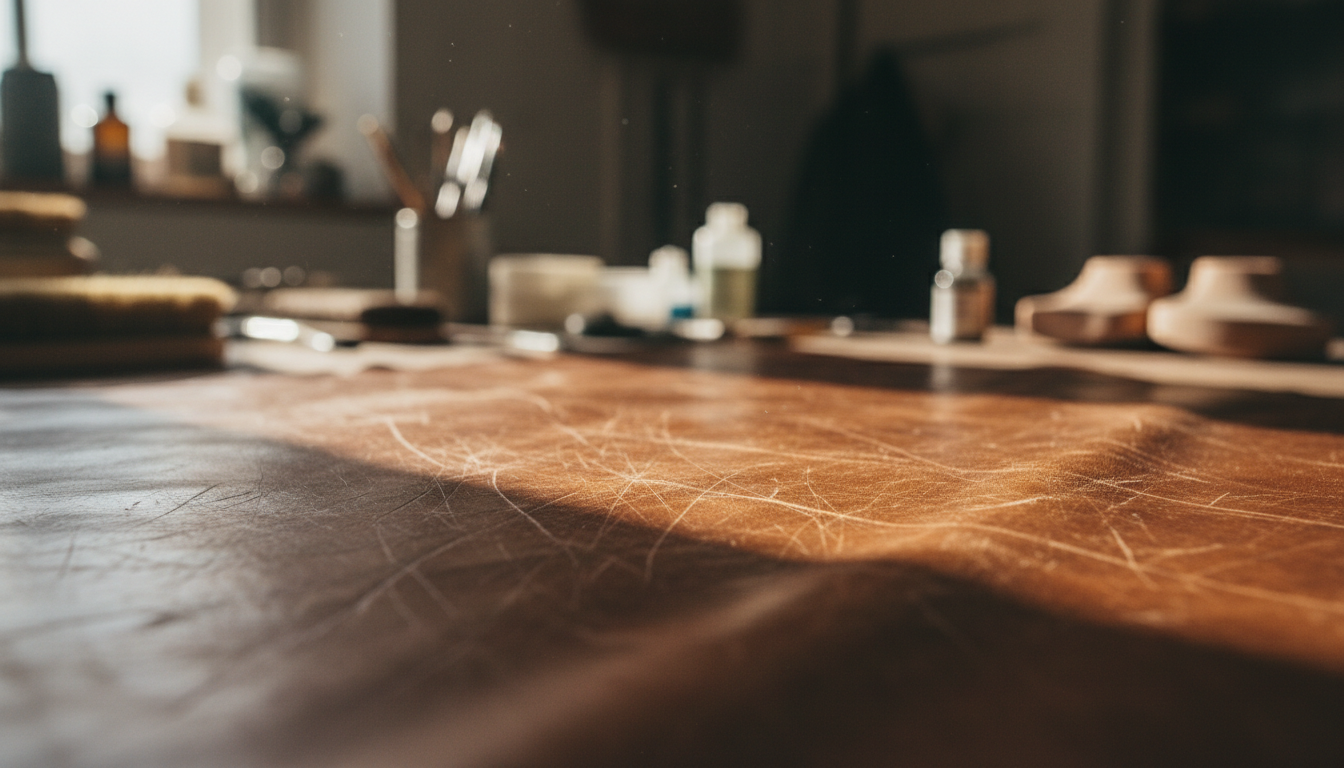
Every car owner who values the interior of their vehicle knows that leather seats are both a luxury and a responsibility. Over time, even the most carefully maintained leather surfaces develop scratches, scuffs, and wear marks. The critical question isn’t whether damage will occur, but rather understanding which types of damage can be effectively repaired and which require more extensive restoration work. This comprehensive guide will help you distinguish between superficial and deep leather damage, explain the restoration methods available, and clarify why professional diagnosis is essential for achieving lasting results.
Understanding the nature of leather damage is the first step toward making informed decisions about leather seat restoration. Not all scratches are created equal, and attempting the wrong repair method can actually worsen the problem or waste valuable time and money. Whether you’re dealing with minor scuffs on your driver’s seat or significant cracking on the seat bolster, this article will equip you with the knowledge to assess damage correctly and choose the appropriate restoration path.
Understanding Leather Structure and How Damage Occurs
To properly evaluate scratches and damage on leather car seats, it’s essential to understand the material’s structure. Automotive leather typically consists of multiple layers: the top finish coat, the pigment layer, the leather itself, and often a backing material. Each layer serves a specific protective or structural purpose, and damage severity depends on how many layers have been compromised.
The top finish coat is a protective sealant that guards against moisture, UV rays, and minor abrasions. Beneath this lies the pigment layer, which provides color and additional protection. The actual leather layer contains the natural fibers that give the material its strength and flexibility. When we talk about superficial versus deep scratches, we’re essentially discussing which of these layers have been penetrated.
Common causes of leather seat damage include:
- Regular entry and exit friction, particularly on the driver’s seat bolster
- Sharp objects in pockets such as keys, pens, or belt buckles
- Pet claws creating surface scratches or deeper gouges
- Prolonged sun exposure causing the finish to crack and peel
- Improper cleaning products that strip protective layers
- Natural aging and loss of the leather’s natural oils
Superficial Scratches: Characteristics and Repair Options
Superficial scratches affect only the top finish coat and perhaps the uppermost portion of the pigment layer. These are the most common types of damage and fortunately the easiest to address. You can identify superficial scratches by their appearance: they’re typically light-colored, don’t catch your fingernail when you run it across them, and don’t expose the raw leather underneath.
Scuffs on leather car seats often fall into this category. These marks appear as discoloration or light abrasions where the finish has been disturbed but not completely removed. The good news is that superficial damage can usually be repaired without extensive intervention, making it ideal for DIY attempts or quick professional touch-ups.
Effective methods for addressing superficial scratches include:
- Leather conditioning and moisturizing to restore flexibility and blend minor marks
- Gentle buffing with appropriate leather care products to redistribute the finish
- Application of leather repair balms that fill microscopic surface imperfections
- Professional cleaning to remove accumulated dirt that accentuates scratches
- Light color touch-ups using leather dyes matched to your seat color
For superficial damage, the restoration process typically doesn’t require removing material or rebuilding the leather structure. Instead, the focus is on restoring the protective finish and color uniformity. This type of car interior leather repair can often be completed in a few hours and provides excellent results when done correctly.
Deep Scratches and Structural Damage: When Serious Repair Is Needed
Deep scratches penetrate through the finish and pigment layers into the actual leather fibers or even through to the backing material. These are significantly more challenging to repair and require professional intervention. You can identify deep scratches by their appearance: they’re usually darker, create a noticeable groove you can feel with your finger, may show different colored layers beneath the surface, and sometimes expose foam or backing material.
Cracks in car seats represent another category of serious damage. Unlike scratches that result from a single impact or scrape, cracks develop from repeated stress, flexing, and loss of the leather’s natural moisture. Cracks often appear on the driver’s seat bolster, where you slide in and out of the vehicle, or on seat surfaces that experience constant pressure and movement.
Deep damage requires comprehensive restoration because:
- The protective barrier has been completely compromised, allowing moisture and dirt penetration
- Structural integrity of the leather has been damaged, leading to progressive deterioration
- Simple surface treatments won’t address the underlying damage
- Without proper repair, the damage will continue spreading to surrounding areas
- Color matching becomes critical as multiple layers need reconstruction
Professional automotive leather seat repair for deep scratches typically involves filling the damaged area with specialized leather repair compounds, recreating the texture and grain pattern, building up multiple layers of color and finish, and sealing everything with protective coatants. This process requires expertise, specialized materials, and often several hours of meticulous work per damaged area.
The Restoration Process: What Professional Repair Involves
Understanding what happens during professional leather seat restoration helps you appreciate why expert diagnosis and treatment yield superior results. The restoration process varies based on damage severity, but generally follows a systematic approach designed to not just mask damage but genuinely restore the leather’s integrity and appearance.
The professional restoration process typically includes these stages:
- Thorough assessment and cleaning: The technician examines all damage, identifies the leather type, and deep-cleans the surface to remove contaminants that would interfere with repair materials.
- Damage preparation: For deep scratches, the area is carefully prepared, removing loose material and creating a stable base for repair compounds.
- Filling and rebuilding: Specialized flexible fillers are applied in layers to rebuild the leather structure, with each layer curing before the next application.
- Texture recreation: Using grain pads or other tools, the technician recreates the original leather texture so repairs blend seamlessly.
- Color matching and application: Custom-mixed leather dyes are applied in multiple thin coats to achieve perfect color matching with the surrounding material.
- Protective finishing: A durable finish coat is applied to protect the repair and ensure it withstands the same wear as the original leather.
For driver’s seat restoration, which typically experiences the most wear, technicians often recommend treating the entire seat surface rather than just spot repairs. This approach ensures uniform appearance and provides comprehensive protection against future damage. Similarly, seat bolster repair requires special attention because this high-stress area needs both cosmetic restoration and reinforcement to prevent rapid re-damage.
Why Professional Diagnosis Matters: Avoiding Costly Mistakes
One of the most common mistakes car owners make is attempting to repair leather damage without proper assessment. What appears to be a simple scratch may actually indicate underlying problems, or conversely, damage that looks severe might be more superficial than it appears. Professional diagnosis ensures you receive appropriate treatment and avoid wasting money on ineffective solutions.
A qualified technician can identify factors that aren’t obvious to untrained eyes, such as whether the leather has been previously repaired, if the damage extends beyond the visible area, whether the leather has lost flexibility and is prone to further cracking, if color fading has occurred that will affect repair visibility, and whether complete seat panel replacement might actually be more cost-effective than extensive repair.
Restoring leather car seats without reupholstery is possible for the vast majority of damage situations, but only when the approach matches the problem. Professional assessment prevents the frustration of attempting DIY repairs that fail, using wrong products that damage leather further, or investing in partial solutions when comprehensive treatment is needed.
Leather Seat Painting and Color Restoration
An often-overlooked aspect of leather restoration is leather seat painting, which addresses not just localized damage but overall color fading and unevenness. Automotive leather is constantly exposed to UV rays, body oils, cleaning products, and temperature fluctuations, all of which gradually degrade the pigment layer and cause discoloration.
Professional leather painting involves more than simply spraying color onto the surface. The process requires proper surface preparation including cleaning and light abrading, application of an adhesion promoter so new color bonds properly, multiple thin coats of properly mixed leather dye, careful blending to eliminate visible edges, and protective top coats that resist wear and UV damage.
This comprehensive approach to car interior leather restoration can dramatically transform aged, faded seats, making them look nearly new without the expense of complete reupholstery. When combined with scratch repair and conditioning, professional painting provides a complete rejuvenation that extends the life of your leather interior significantly.
Prevention and Maintenance: Protecting Your Investment
After investing in professional leather seat repair, protection and maintenance become crucial for preserving results and preventing future damage. Leather is a natural material that requires regular care to maintain its flexibility, appearance, and protective properties.
Essential maintenance practices include:
- Regular cleaning with pH-balanced leather cleaners to remove dirt and oils
- Conditioning every 3-6 months to maintain leather flexibility and prevent cracking
- Using seat covers or protective films on high-wear areas like bolsters
- Parking in shade when possible or using window shades to reduce UV exposure
- Addressing small damage immediately before it worsens
- Avoiding harsh chemicals and household cleaners not designed for automotive leather
Proper maintenance doesn’t just preserve aesthetics; it actually reduces the likelihood of serious damage developing. Well-conditioned leather remains flexible and resistant to scratching, while dried-out leather becomes brittle and prone to cracking. The investment in regular care products is minimal compared to the cost of major restoration work.
Making the Right Decision for Your Vehicle
When faced with scratched or damaged leather seats, the decision tree should begin with proper assessment. Examine the damage closely, considering both its depth and extent. For superficial marks affecting small areas, quality leather care products and gentle treatment may suffice. For deeper scratches, visible cracks, or widespread damage, professional restoration becomes the wise investment.
Consider also the overall value and condition of your vehicle. For newer cars or vehicles you plan to keep long-term, professional automotive seat restoration preserves value and ensures continued enjoyment of your interior. For older vehicles with multiple issues, a cost-benefit analysis helps determine whether repair or replacement makes more financial sense.
The key is avoiding the middle ground where you spend money on inadequate solutions that neither solve the problem nor represent sound investment. Either commit to professional restoration that genuinely fixes the issue, or accept minor cosmetic imperfections if they don’t affect functionality or bother you significantly.
Conclusion: Knowledge Empowers Better Leather Care Decisions
Understanding the difference between superficial and deep leather damage transforms how you approach car leather seat restoration. Superficial scratches, while unsightly, can often be addressed with relatively simple interventions that restore appearance without extensive work. Deep scratches and cracks, however, require professional expertise, specialized materials, and systematic restoration processes to achieve lasting results.
The importance of professional diagnosis cannot be overstated. What you save by correctly identifying damage severity and choosing appropriate treatment far exceeds the cost of initial assessment. Whether dealing with scuffs on leather seats, cracks developing on your driver’s seat bolster, or overall color fading, matching the solution to the specific problem ensures satisfaction and value.
Leather interiors represent a significant investment in comfort and luxury. With proper care, timely intervention, and professional restoration when needed, your leather seats can maintain their beauty and functionality for many years. The key is recognizing when damage has crossed the threshold from simple maintenance issue to serious repair need, and then taking appropriate action.
If you’re dealing with damaged leather seats and want expert assessment and restoration, don’t let the problem worsen. Contact our professional leather restoration specialists in Riga for comprehensive automotive interior repair services that will return your seats to like-new condition without the expense of complete reupholstery. Our experienced technicians provide honest assessments, transparent pricing, and guaranteed quality workmanship for all types of leather damage.