Scratches on Leather Car Seats: Which Can Be Removed and Which Require Serious Repair
July 2, 2026
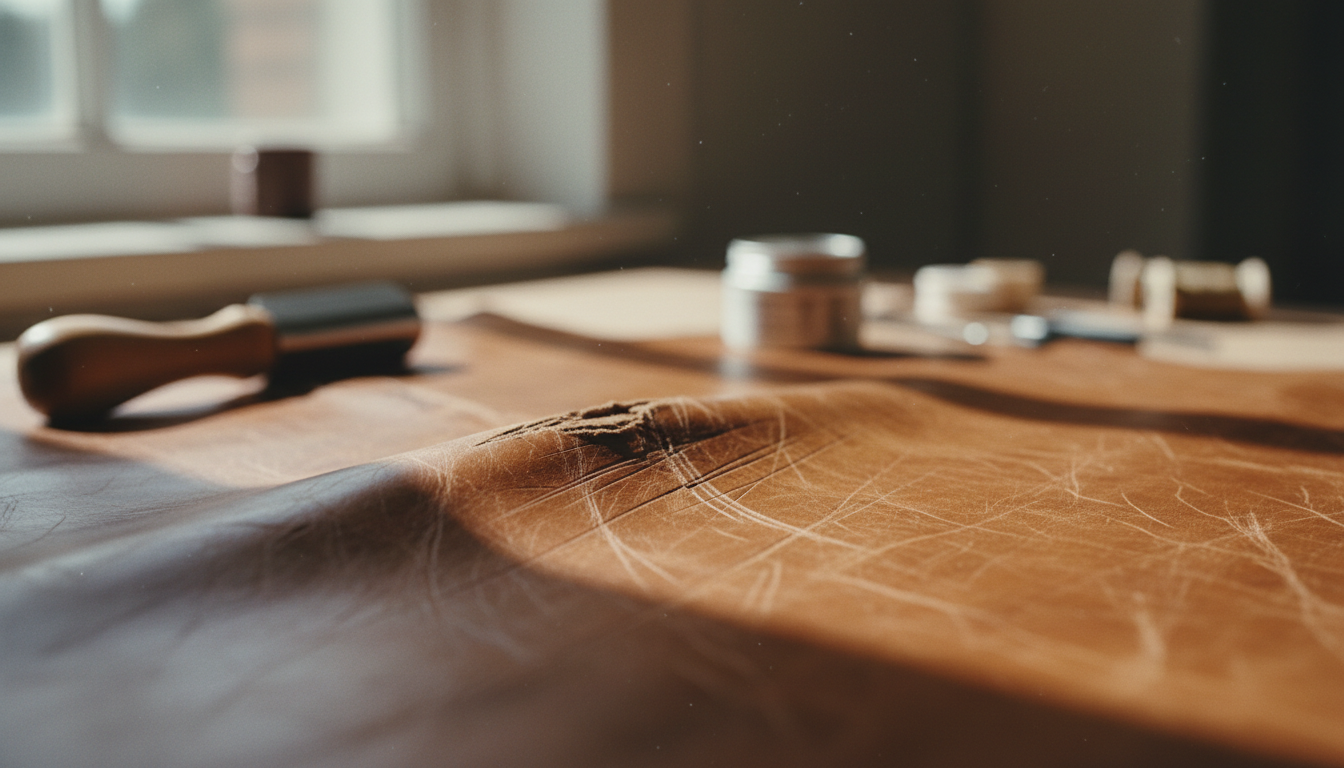
Leather car seats are a symbol of luxury, comfort, and refinement. However, even the highest quality leather is susceptible to wear and tear over time. Scratches, scuffs, and cracks can appear on your seats, diminishing the aesthetic appeal of your vehicle’s interior and potentially reducing its resale value. Understanding the difference between superficial scratches and deep damage is crucial for determining the appropriate restoration method and whether professional intervention is necessary.
Many car owners face the dilemma of whether to attempt DIY repairs, invest in professional leather seat restoration, or resign themselves to expensive reupholstery. The good news is that not all damage requires drastic measures. With proper diagnosis and the right approach, many leather imperfections can be effectively repaired without complete seat replacement. This comprehensive guide will help you identify different types of leather damage, understand available repair methods, and make informed decisions about restoring your vehicle’s leather interior.
Whether you’re dealing with minor scuffs on your driver’s seat or more serious cracks and tears, this article will provide you with the knowledge needed to assess the situation accurately and choose the most cost-effective solution for your specific needs.
Understanding the Structure of Automotive Leather
Before diving into repair methods, it’s essential to understand what you’re working with. Automotive leather isn’t just a single layer of material—it’s a complex composite designed to withstand the unique stresses of vehicle interiors. Most car seats feature a leather hide that has been treated, dyed, and coated with protective finishes. These layers work together to provide durability, comfort, and aesthetic appeal.
The typical structure includes the leather substrate itself, which may be genuine leather or a leather-vinyl composite, followed by pigment layers that provide color, and finally a topcoat that offers protection against UV rays, moisture, and abrasion. Understanding this layered construction is critical because different types of damage affect different layers, which in turn determines the appropriate repair approach.
Genuine leather used in automotive applications is usually top-grain or corrected-grain leather. Top-grain leather retains the natural grain pattern and is more breathable and durable, though also more expensive. Corrected-grain leather has been sanded and embossed with an artificial grain pattern, making it more uniform in appearance but potentially less breathable. Both types can be successfully repaired when damaged, but the techniques may vary slightly depending on the leather type and finish.
Superficial Scratches: The Good News
Superficial scratches are the most common type of leather damage and, fortunately, the easiest to address. These are scratches that affect only the topcoat or pigment layer without penetrating through to the leather substrate itself. You can usually identify superficial scratches by gently rubbing the area—if the scratch becomes less visible or temporarily disappears when you apply slight pressure or moisture, it’s likely superficial.
Common causes of superficial scratches include:
- Keys, phones, or other objects in pockets scraping against the seat surface
- Pet claws during transportation
- Zippers or belt buckles rubbing against the seat bolster
- Sharp edges on bags, briefcases, or other cargo
- Rough clothing materials like denim rivets or decorative elements
- Regular entry and exit friction, particularly on driver’s seat bolsters
The good news about superficial scratches is that they can often be addressed with relatively simple repair techniques. These might include professional cleaning and conditioning, application of leather filler for slightly deeper surface scratches, color matching and touch-up painting, and sealing with an appropriate topcoat. Many automotive leather restoration specialists can make superficial scratches virtually disappear, restoring the seat to near-original condition.
It’s worth noting that attempting to repair superficial scratches without proper knowledge can sometimes make the situation worse. Using incorrect products, applying too much heat, or aggressive buffing can damage the protective topcoat further and create a more noticeable repair area. When in doubt, consulting with professionals who specialize in leather seat restoration is always the safer option.
Deep Scratches and Gouges: When Repair Gets Complicated
Deep scratches represent a more serious level of damage. These scratches penetrate through the protective topcoat and pigment layers, reaching the actual leather substrate. You can identify deep scratches by examining the damaged area closely—you’ll typically see a different color or texture at the bottom of the scratch, often appearing lighter or more fibrous than the surrounding surface.
Deep scratches require more intensive repair work because simply applying color and topcoat won’t be sufficient. The damaged area must be properly prepared, filled, textured to match the surrounding grain pattern, colored, and sealed. This process demands professional expertise, specialized materials, and often custom color matching to ensure the repair blends seamlessly with the original leather.
Professional repair of deep scratches typically involves these steps:
- Thorough cleaning and degreasing of the damaged area to ensure proper adhesion
- Application of leather filler or compound to build up the damaged area to the correct level
- Careful sanding and shaping to create a smooth, even surface
- Grain pattern restoration using heat transfer techniques or texture plates
- Custom color matching and application in multiple layers for depth and accuracy
- Protective topcoat application to seal and protect the repaired area
- Final inspection and quality control to ensure durability and appearance
The success of deep scratch repair depends heavily on the skill and experience of the technician. A well-executed repair should be virtually undetectable, with the repaired area matching the surrounding leather in color, texture, and sheen. This is why choosing qualified professionals for leather seat restoration is so important—the difference between amateur and expert work is immediately apparent.
Cracks and Tears: Structural Damage Requiring Serious Intervention
Cracks and tears represent the most severe form of leather damage. Unlike scratches that affect surface layers, cracks indicate that the leather substrate itself has been compromised. Cracks typically develop in high-stress areas subject to repeated flexing and stretching, such as the driver’s seat bolster, the seat cushion center where you sit, and the areas where the seat back meets the cushion.
Leather cracks for several reasons, including natural aging and loss of essential oils, excessive dryness from lack of conditioning, extreme temperature fluctuations, particularly in vehicles parked in direct sunlight, poor quality leather or inadequate initial treatment, and constant stress on the same areas without proper maintenance. Once leather has cracked, the damage is irreversible in the sense that the leather fibers have actually broken. However, this doesn’t necessarily mean the seat must be completely reupholstered.
Professional leather repair specialists can often repair cracks effectively using advanced techniques. The process involves reinforcing the damaged area from underneath with backing material, filling the crack with flexible leather repair compounds, rebuilding the surface texture, and applying color and protective coatings. The key difference between crack repair and scratch repair is the structural reinforcement required to prevent the crack from reopening.
Tears, where the leather has actually separated, require even more intensive repair. Small tears can sometimes be repaired using similar techniques to crack repair, but larger tears may require patching from behind or, in extreme cases, panel replacement. The decision between repair and replacement depends on the tear’s size and location, the overall condition of the surrounding leather, the availability of matching leather for patching, and cost-effectiveness compared to complete reupholstery.
Scuffs and Discoloration: Addressing Surface Wear
Scuffs and discoloration are different from scratches but equally common, especially on driver’s seats and high-contact areas. Scuffs occur when something rubs against the leather surface, removing or damaging the pigment layer but not necessarily scratching through it. Discoloration happens when the pigment wears away entirely, often due to repeated friction from clothing, body oils, or cleaning products.
The driver’s seat bolster is particularly susceptible to this type of wear because it experiences constant contact during entry and exit. Over time, these areas can become noticeably lighter in color, creating an aged and worn appearance. The good news is that scuffs and discoloration are among the easiest types of damage to repair professionally.
Restoration of scuffed and discolored areas typically involves deep cleaning to remove accumulated dirt and oils, light abrasion to create a suitable surface for new pigment, custom color matching to ensure seamless blending, application of pigment in multiple thin layers for natural appearance, and protective topcoat application. The result is a refreshed appearance that can make seats look years younger without the expense of complete reupholstery.
Why Professional Diagnosis Matters
One of the most critical factors in successful leather repair is accurate diagnosis. What appears to be a simple scratch might actually be a crack beginning to form, or what looks like a deep gouge might only be a surface imperfection. Misdiagnosing the type and severity of damage can lead to inappropriate repair attempts that waste time and money while potentially making the problem worse.
Professional leather restoration specialists have the experience to accurately assess damage and recommend appropriate solutions. They can identify whether damage is limited to the topcoat, whether the leather substrate is compromised, what repair techniques will yield the best results, and whether repair is cost-effective compared to replacement. This expertise is invaluable, particularly for luxury vehicles where original leather quality is high and matching replacement materials can be difficult or expensive to source.
Additionally, professionals have access to specialized materials and equipment not available to consumers. This includes custom color-matching systems that can precisely duplicate your vehicle’s original leather color, professional-grade fillers and compounds designed specifically for automotive leather, heat transfer equipment for recreating grain patterns, and protective coatings that offer durability comparable to factory finishes.
Preventive Maintenance: Protecting Your Investment
While professional repair can address existing damage effectively, prevention is always better than cure. Regular leather maintenance can significantly extend the life of your car’s interior and minimize the development of scratches, scuffs, and cracks. A comprehensive maintenance routine should include regular cleaning with pH-balanced leather cleaners, conditioning every 3-6 months to maintain leather suppleness, protection from direct sunlight using window shades or ceramic tint, and prompt attention to any spills or stains.
It’s also wise to be mindful of potential sources of damage. Remove items from pockets before sitting down, use seat covers if transporting pets regularly, be careful with sharp objects near leather surfaces, and consider protective films for high-wear areas like bolsters. These simple precautions can prevent much of the common damage that eventually requires professional attention.
Conclusion: Making Informed Decisions About Leather Repair
Understanding the difference between superficial scratches and deep structural damage is essential for any car owner dealing with worn leather seats. While minor surface imperfections can often be addressed with relatively simple techniques, deeper damage requires professional expertise, specialized materials, and proven repair methods. The key is accurate diagnosis and choosing the appropriate restoration approach for your specific situation.
Professional leather seat restoration offers a cost-effective alternative to complete reupholstery for most types of damage. Whether you’re dealing with scratches on your driver’s seat bolster, cracks in high-stress areas, or general discoloration from years of use, experienced technicians can often restore your leather interior to like-new condition. The investment in professional repair not only improves your vehicle’s appearance but also protects its resale value and extends the life of your interior.
If you’re located in Latvia and need expert assessment and restoration of your vehicle’s leather interior, don’t settle for temporary fixes or expensive reupholstery when professional repair might be the perfect solution. Discover professional leather seat restoration services in Riga that can bring your car’s interior back to showroom condition without the cost and downtime of complete seat replacement.