How to Restore the Color of a Leather Car Interior Without Full Reupholstery
July 2, 2026
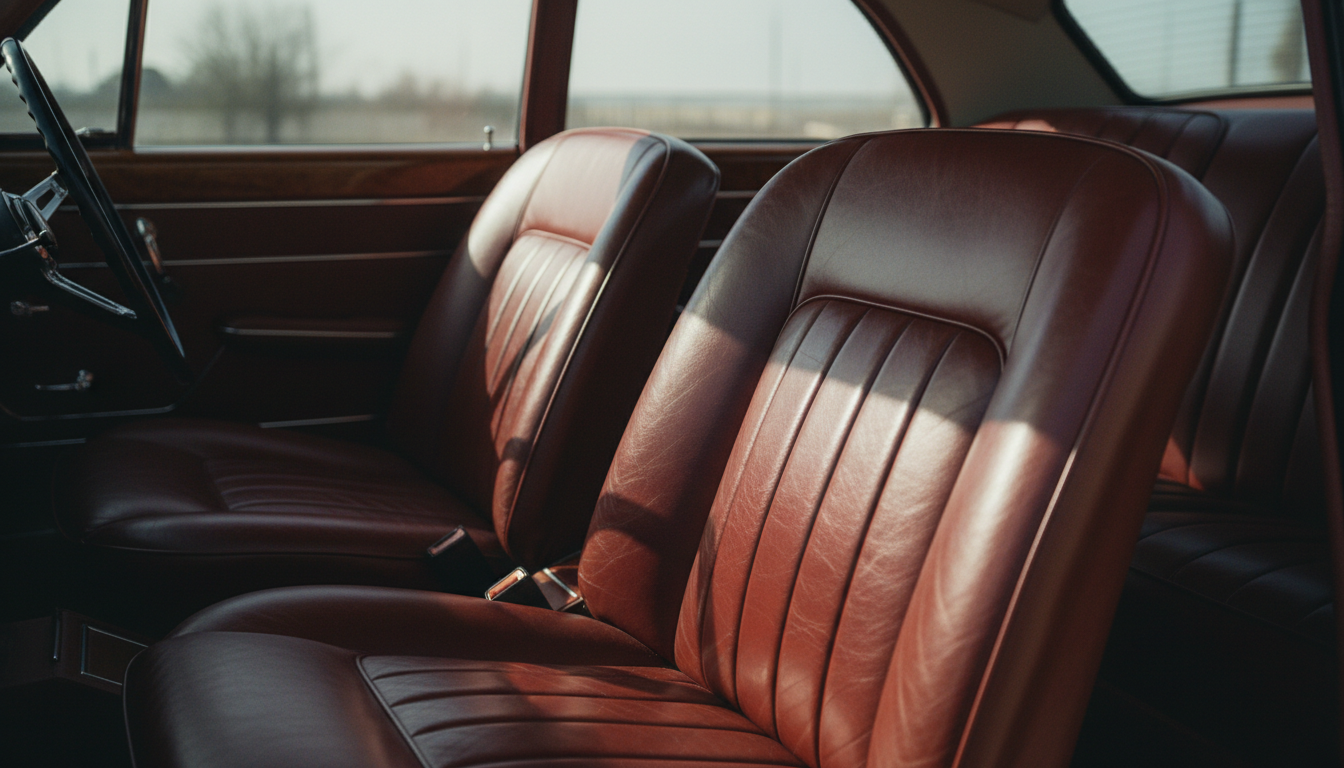
Leather car interiors exude luxury, comfort, and timeless elegance. However, over time, even the highest-quality leather seats begin to show signs of wear. Fading color, scuffs on the driver’s seat bolster, visible cracks, and stubborn stains can transform a once-pristine cabin into a tired, aged space. Many vehicle owners assume that the only solution is expensive and time-consuming full reupholstery. Fortunately, professional leather seat restoration offers a cost-effective, efficient alternative that can breathe new life into your car’s interior without the need for complete replacement.
This comprehensive guide explores why leather loses its color, how professional color restoration works, and when repairing and recoloring your leather seats is a smarter investment than full reupholstery. Whether you’re dealing with minor scuffs or significant color loss, understanding your options will help you make an informed decision that saves both time and money while preserving your vehicle’s value.
Why Leather Car Seats Lose Their Color Over Time
Understanding the causes of leather deterioration is the first step toward effective restoration. Leather is a natural material that responds to environmental factors, usage patterns, and maintenance practices. Several key factors contribute to color fading and surface damage in automotive leather interiors.
UV radiation and sunlight exposure rank among the most damaging elements for leather seats. Prolonged exposure to direct sunlight causes the pigments in the leather’s finish coat to break down, leading to noticeable fading, especially on seats near windows. The driver’s seat typically suffers the most significant sun damage due to its position and frequent exposure.
Body oils, perspiration, and skin contact create another major source of wear. The driver’s seat, particularly the bolster area where you slide in and out of the vehicle, experiences constant friction. Over time, natural oils from your skin break down the protective coating, causing the color to wear away and exposing the lighter base leather underneath. This results in those characteristic shiny, discolored patches on high-contact areas.
Additional factors that accelerate leather deterioration include:
- Temperature fluctuations that cause leather to expand and contract, leading to cracks and surface damage
- Lack of proper conditioning, which allows leather to dry out and become brittle
- Harsh cleaning products that strip away protective coatings and natural oils
- Accumulated dirt and grime that acts as an abrasive during normal use
- Poor initial leather quality or inadequate factory protection
The good news is that most color loss affects only the surface layer of the leather. The underlying structure often remains intact, making leather car seat repair and color restoration a viable solution that addresses the cosmetic damage without requiring complete replacement of the upholstery.
Common Types of Leather Damage That Can Be Restored
Before deciding on restoration versus replacement, it’s important to identify the type and extent of damage your leather seats have sustained. Professional restoration specialists can address a wide range of leather issues, from minor cosmetic concerns to more significant structural problems.
Color fading and discoloration represent the most common complaint among leather car interior owners. This typically appears as lighter patches on seat surfaces, particularly on the seating area and backrest. Faded leather often retains its structural integrity, making it an ideal candidate for professional color restoration rather than full reupholstery.
Scuffs and abrasions on leather seat bolsters occur frequently on the driver’s seat side support where you enter and exit the vehicle. These worn areas often show as shiny, discolored patches where the top layer of finish has been completely worn away. Professional repair of leather seat bolsters involves careful surface preparation, color matching, and refinishing to restore the original appearance.
Cracks and splits in car seat leather develop when leather becomes dry and loses its natural flexibility. Small surface cracks can often be repaired using specialized filler compounds and refinishing techniques. Deeper splits may require more extensive repair work but can still be addressed without full reupholstery in many cases.
Other repairable damage includes:
- Surface scratches from pets, keys, or sharp objects
- Stains from spills, ink, or dye transfer from clothing
- Texture loss where the leather grain has been worn smooth
- Color transfer from denim or other fabrics
- Small tears or punctures in non-structural areas
Professional technicians specializing in automotive leather interior repair assess each situation individually, determining whether restoration will achieve satisfactory results or if replacement becomes necessary for severely damaged or structurally compromised leather.
How Professional Leather Seat Color Restoration Works
Professional leather seat painting and restoration is a sophisticated process that goes far beyond simply applying color to faded areas. Skilled technicians use specialized products and techniques developed specifically for automotive leather to achieve durable, factory-quality results that withstand daily use.
The restoration process typically follows these essential steps:
Thorough cleaning and preparation form the foundation of successful restoration. Technicians begin by deep-cleaning the leather to remove all dirt, oils, body residue, and previous conditioning products. This step ensures that repair materials and new color coatings will properly bond to the leather surface. Special cleaning agents designed for automotive leather remove contaminants without causing additional damage.
Damage repair and surface preparation address any structural issues before color application. Small cracks are filled with flexible leather repair compounds that move with the natural leather. Scuffs and worn areas are carefully sanded to create a smooth, even surface. For deeper damage, technicians may apply reinforcement backing and use heat-activated repair techniques to restore structural integrity.
Color matching and custom mixing represent the most critical aspects of professional restoration. Expert technicians analyze your leather’s original color under various lighting conditions, then custom-mix pigments to achieve a perfect match. This precision ensures that restored areas blend seamlessly with surrounding original leather, creating an invisible repair.
Application of base color and finish coats involves multiple thin layers rather than a single thick coating. This layering technique creates a natural appearance with proper depth and allows the leather’s texture to remain visible. Professional-grade leather paints contain flexible resins that move with the leather, preventing cracking or peeling of the new finish.
Sealing and protection application completes the process. A specialized topcoat seals the new color, providing protection against UV rays, abrasion, and everyday wear. This protective layer significantly extends the life of the restoration and helps prevent future color loss.
When performed by experienced professionals using quality materials, leather car seat color restoration can last for years, often matching or exceeding the durability of the original factory finish. The restored leather maintains its natural feel and flexibility while looking refreshed and renewed.
Cost Comparison: Restoration vs. Full Reupholstery
One of the most compelling reasons to consider professional leather restoration is the significant cost difference compared to complete reupholstery. Understanding these financial implications helps vehicle owners make informed decisions about their interior renovation projects.
Full leather reupholstery costs can range from €1,500 to €5,000 or more, depending on the vehicle model, leather quality, and complexity of the interior design. Luxury vehicles with complex seat designs, heating elements, and intricate stitching patterns fall at the higher end of this range. The process also requires several days to weeks, leaving you without your vehicle during the work.
Professional leather restoration and color repair typically costs between €300 and €800 for comprehensive treatment of a full vehicle interior, representing savings of 60-85% compared to reupholstery. Even extensive repairs addressing multiple problem areas rarely approach the cost of full replacement. Most restoration work can be completed in a single day, minimizing inconvenience.
Beyond the immediate financial savings, restoration offers additional economic benefits:
- Preserves original factory leather, which often surpasses aftermarket replacement quality
- Maintains vehicle authenticity and resale value, particularly important for premium brands
- Allows for future touch-ups if new wear develops, extending overall interior lifespan
- Eliminates risk of fit issues or quality problems associated with aftermarket upholstery
- Reduces environmental impact by extending the life of existing materials
For vehicle owners facing budget constraints, restoration of leather car seats provides a practical path to a like-new interior without the substantial investment required for complete reupholstery. The money saved can be allocated to other vehicle maintenance needs or simply remain in your pocket.
When Restoration Is the Better Choice Than Replacement
While leather restoration offers impressive results in many situations, it’s important to understand when this approach makes the most sense and when full reupholstery might be the better long-term solution.
Ideal candidates for leather seat restoration include vehicles where the leather’s structural integrity remains intact despite cosmetic damage. If your seats show color fading, minor scuffs, surface cracks, or worn areas but the leather itself hasn’t torn completely or deteriorated to the point of disintegration, restoration will likely achieve excellent results.
Restoration works particularly well for:
- Driver’s seat wear where the bolster and seating surface show color loss and scuffing
- Sun-faded seats where UV exposure has lightened the color but not damaged the leather structure
- Seats with minor cracking that hasn’t progressed to large splits or tears
- Interiors where only specific high-wear areas need attention rather than all surfaces
- Premium vehicles where original factory leather quality exceeds available aftermarket alternatives
Situations where reupholstery may be necessary include cases of severe structural damage, large tears that compromise the seat’s integrity, extensive rot or mold damage, or situations where the leather has become so brittle that it continues to crack and tear despite repairs. If the foam padding beneath the leather has deteriorated significantly, this also typically requires full reupholstery to address comprehensively.
Professional restoration specialists can assess your specific situation and provide honest guidance about whether leather interior repair without reupholstery will meet your expectations or if more extensive work is warranted. Reputable professionals prioritize long-term customer satisfaction over short-term profit, recommending the approach most likely to deliver lasting results.
Finding Quality Leather Restoration Services in Latvia and Riga
The success of your leather restoration project depends heavily on the skill and expertise of the technicians performing the work. Not all repair services offer the same level of quality, so selecting the right provider is crucial for achieving satisfactory results.
When searching for leather car seat restoration services in Riga or elsewhere in Latvia, look for specialists who focus specifically on automotive leather repair rather than general upholstery shops. Dedicated leather restoration technicians possess specialized training, use professional-grade materials designed for automotive applications, and have extensive experience with the unique challenges of car interior leather.
Key indicators of a quality restoration service include:
- Portfolio of before-and-after photos demonstrating actual completed work
- Detailed consultation process where technicians assess damage and explain repair approaches
- Custom color matching capabilities rather than relying on pre-mixed standard colors
- Use of professional-grade products specifically formulated for automotive leather
- Warranty or guarantee on completed work, indicating confidence in durability
- Transparent pricing with clear explanations of what services are included
- Positive customer reviews and testimonials from satisfied clients
Professional automotive leather repair specialists in Latvia understand that each restoration project presents unique challenges. They take time to properly assess damage, discuss expectations, and recommend the most appropriate repair approach for your specific situation and budget.
Maintaining Your Restored Leather Interior
Once you’ve invested in professional restoration, proper maintenance extends the life of your refreshed leather interior and protects your investment. Establishing a regular care routine prevents premature wear and keeps your seats looking their best for years to come.
Regular cleaning removes dirt and body oils before they can damage the leather’s finish. Use pH-balanced leather cleaners specifically designed for automotive use, avoiding harsh household products that can strip protective coatings. Clean leather seats every 2-3 months, or more frequently if the vehicle sees heavy use.
Conditioning treatments replenish natural oils and maintain leather flexibility, preventing the drying and cracking that leads to damage. Apply a quality leather conditioner every 3-4 months, using products that don’t leave greasy residues that can transfer to clothing.
UV protection measures significantly extend the life of restored leather. Use window tinting, sunshades, or park in covered areas whenever possible to minimize direct sunlight exposure. Many quality leather conditioners include UV inhibitors that provide additional protection.
Additional maintenance tips for preserved leather include:
- Address spills immediately to prevent staining and finish damage
- Avoid wearing clothing with sharp objects or rough materials that can scratch leather
- Use seat covers during periods of heavy use or when transporting pets
- Keep the vehicle interior temperature moderate when possible to prevent excessive heat damage
- Schedule professional inspection and touch-up treatments every 2-3 years to address minor wear before it becomes significant
With proper care, professionally restored leather seats can maintain their renewed appearance for many years, providing excellent return on your restoration investment and delaying or eliminating the need for future reupholstery.
Conclusion: Smart Solutions for Leather Interior Revival
Leather car interiors represent a significant investment in comfort and luxury, but inevitable wear doesn’t mean you must resign yourself to expensive full reupholstery. Professional leather seat restoration and color repair offers a practical, cost-effective alternative that addresses common damage while preserving the quality and authenticity of your original interior.
Understanding why leather deteriorates, recognizing repairable damage types, and knowing how professional restoration works empowers you to make informed decisions about your vehicle’s interior care. For most common wear patterns—including color fading, driver’s seat scuffing, minor cracking, and surface abrasions—expert restoration achieves impressive results at a fraction of reupholstery costs.
The combination of significant cost savings, reduced time requirements, preservation of original materials, and environmentally responsible resource use makes leather restoration an intelligent choice for vehicle owners facing interior wear. When performed by skilled technicians using quality materials, restored leather seats can look factory-fresh and provide years of additional service.
Whether you’re dealing with a slightly worn driver’s seat or more extensive color loss throughout your interior, professional assessment can determine if restoration will meet your needs. Don’t assume that visible wear automatically necessitates expensive reupholstery—in most cases, targeted repair and refinishing can transform tired leather into a beautiful, renewed interior that enhances both your driving experience and vehicle value.
If your leather car interior shows signs of wear, color loss, or damage, explore professional leather seat restoration services in Riga to discover how expert repair can revitalize your vehicle’s interior without the cost and inconvenience of full reupholstery. Schedule a consultation today to receive a personalized assessment and learn how restoration can transform your car’s leather seats.