Summer Care for Leather Car Interiors: How to Protect Your Leather from Sun Damage and Dryness
June 23, 2026
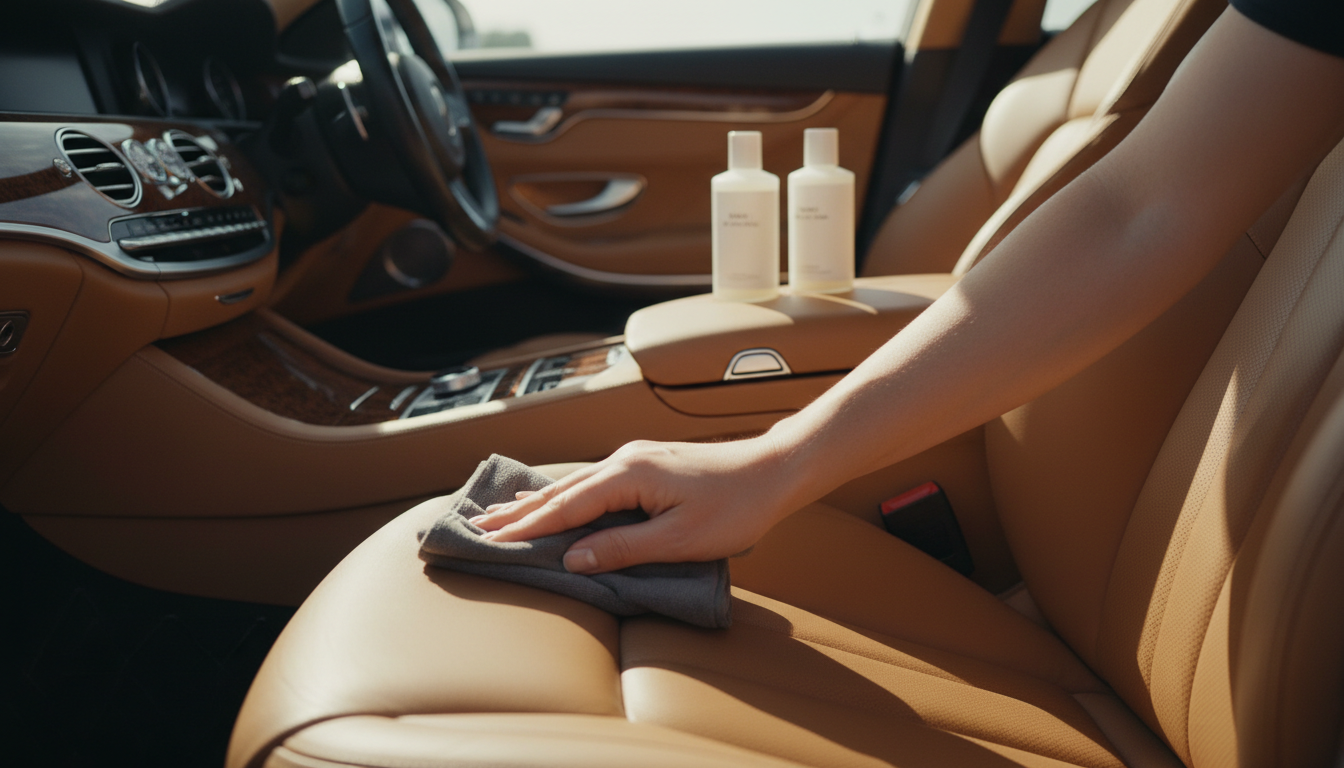
As summer temperatures soar and UV rays intensify, your vehicle’s leather interior faces one of its most challenging seasons. The combination of direct sunlight, heat, and fluctuating humidity levels can wreak havoc on leather seats, steering wheels, and dashboard components. Without proper care and protection, leather can fade, crack, lose its suppleness, and deteriorate significantly faster than it should. Understanding how to protect and maintain your leather car interior during summer months is essential for preserving both the aesthetic appeal and the long-term value of your vehicle.
This comprehensive guide will walk you through the science behind leather damage, practical prevention strategies, and professional-grade solutions to keep your car’s leather interior looking luxurious and feeling soft throughout the hottest months of the year. Whether you drive a luxury sedan with premium leather upholstery or a family SUV with leather-trimmed seats, these expert tips will help you maintain your investment and enjoy a comfortable, beautiful interior for years to come.
Understanding How Summer Damages Leather Car Interiors
Before diving into protection strategies, it’s crucial to understand exactly what happens to automotive leather during summer. Leather is a natural material that requires a delicate balance of oils and moisture to maintain its flexibility and appearance. When exposed to intense heat and UV radiation, several destructive processes occur simultaneously.
UV rays penetrate the leather’s protective finish and begin breaking down the natural oils and collagen fibers that give leather its characteristic softness and strength. This photodegradation process causes the color to fade unevenly, with areas receiving direct sunlight losing their vibrancy much faster than shaded sections. Meanwhile, heat accelerates moisture evaporation from within the leather structure, causing it to become dry, stiff, and brittle.
The dashboard and steering wheel typically suffer the most damage because they receive direct sunlight through the windshield for extended periods. Seats near windows also experience significant exposure, particularly the driver’s seat and portions of the rear seats. As leather dries out, it loses elasticity and begins to develop fine surface cracks that eventually deepen into permanent damage. Once cracking begins, the deterioration accelerates because moisture and contaminants can penetrate deeper into the leather structure.
Essential Steps for Protecting Leather Car Seats from Sun Damage
Preventing sun and heat damage to your leather car interior requires a multi-layered approach combining physical protection, regular maintenance, and proper conditioning treatments. The most effective strategy addresses both immediate threats and long-term preservation.
Physical sun protection should be your first line of defense. Whenever possible, park your vehicle in shaded areas, covered parking structures, or your garage. If shade isn’t available, invest in a high-quality windshield sunshade that blocks UV rays and significantly reduces interior temperature buildup. Window tinting with UV-blocking film provides continuous protection and can reduce heat and UV exposure by up to 99 percent, though you should verify local regulations regarding tinting darkness levels.
For vehicles that must remain parked in direct sunlight regularly, consider breathable car covers designed specifically for outdoor use. These covers protect the entire vehicle while allowing moisture to escape, preventing condensation damage. Seat covers made from breathable materials can also shield leather surfaces, though they reduce the aesthetic appeal of your leather interior.
Professional Leather Treatment and Conditioning Protocol
Regular cleaning and conditioning form the cornerstone of effective leather car interior maintenance. During summer months, leather requires more frequent attention than during cooler seasons due to accelerated oil depletion and moisture loss.
Begin with proper cleaning using pH-balanced leather cleaners specifically formulated for automotive applications. Household cleaners, dish soap, and generic products can strip away protective coatings and natural oils, actually accelerating damage. Use a soft microfiber cloth or soft-bristled brush to gently remove dirt, oils, and contaminants that can interfere with conditioning treatments.
After cleaning, apply a high-quality leather conditioner for automotive use that replenishes natural oils and creates a protective barrier against UV damage. Professional-grade conditioners contain UV inhibitors, moisturizing agents, and protective polymers that penetrate the leather structure and create a breathable protective layer on the surface. Apply conditioner evenly using circular motions, allowing it to absorb for the recommended time before buffing away any excess.
During peak summer months, leather seats and surfaces should be conditioned every four to six weeks. High-contact areas like the driver’s seat, steering wheel, and gear shift may benefit from even more frequent treatment. Pay special attention to seams, piping, and stitched areas where leather is under tension and more prone to cracking.
Step-by-Step Summer Leather Care Routine
Establishing a consistent maintenance routine ensures your leather interior receives the protection it needs throughout the summer season. Follow this systematic approach for optimal results:
- Initial deep cleaning: At the beginning of summer, perform a thorough cleaning of all leather surfaces to remove accumulated winter grime, salt residue, and oils. This creates a clean foundation for protective treatments.
- Apply protective coating: Use a premium leather protectant with UV blockers to create a durable barrier against sun damage. These products typically last 4-6 weeks under normal conditions.
- Weekly quick maintenance: Wipe down leather surfaces with a slightly damp microfiber cloth to remove dust and light contaminants before they become embedded.
- Monthly conditioning: Apply leather conditioner to all surfaces, focusing on areas receiving the most sunlight and physical contact. Allow proper absorption time for maximum effectiveness.
- Inspect for early damage: During each maintenance session, carefully examine leather for early signs of fading, drying, or surface cracking. Early intervention can prevent minor issues from becoming permanent damage.
- End-of-summer deep treatment: Before fall arrives, perform another comprehensive cleaning and conditioning to repair any summer damage and prepare leather for seasonal temperature changes.
Addressing Common Summer Leather Problems
Even with preventive care, you may notice certain issues developing during intense summer heat. Recognizing and addressing these problems quickly can prevent permanent damage and restore leather’s appearance and feel.
Dryness and stiffness indicate that leather has lost too much moisture and natural oils. If your leather feels rough, stiff, or shows a dull appearance, it requires immediate intensive conditioning. Apply a deep-penetrating leather conditioner and allow extended absorption time. You may need to repeat this treatment several times over consecutive weeks to fully restore suppleness.
Fading and discoloration result from UV damage breaking down color pigments. Minor fading can sometimes be addressed with color-restoring leather treatments that deposit compatible pigments while conditioning. Severe fading may require professional recoloring services to restore uniform appearance.
Surface cracking represents more advanced damage requiring immediate attention. Clean the affected area gently, then apply specialized leather repair compounds designed to fill fine cracks. Follow with intensive conditioning to prevent crack expansion. Deep or widespread cracking may necessitate professional leather repair or replacement.
Heat-related warping or stretching occurs when leather becomes too hot and loses structural integrity. Prevention is critical here, as this damage is difficult to reverse. Ensure adequate interior ventilation and never leave leather surfaces pressed against hot objects for extended periods.
Specialized Care for Leather Steering Wheels and High-Contact Surfaces
The leather steering wheel requires special attention because it endures constant handling, exposure to skin oils and perspiration, and direct sunlight through the windshield. This combination of factors makes steering wheels particularly vulnerable to premature wear and damage.
Clean your leather steering wheel more frequently than other interior surfaces—ideally weekly during summer months. Use a dedicated leather cleaner that removes oils without stripping protective coatings. After cleaning, apply a leather conditioner formulated for high-contact surfaces that won’t leave a slippery residue.
Consider using a breathable steering wheel cover during extended parking periods to shield the leather from direct sunlight. Remove the cover before driving to maintain proper grip and control. Some drivers also use driving gloves during the hottest parts of the day to reduce direct contact between hot, sweaty hands and leather surfaces.
Door panels, armrests, and gear shift boots also experience high contact combined with sun exposure. These areas benefit from the same frequent cleaning and conditioning routine as steering wheels. Pay particular attention to areas where your arm or hand rests repeatedly, as body oils and perspiration accelerate leather degradation during hot weather.
Professional Leather Protection Services and Products
While regular at-home maintenance is essential, professional leather care services provide advanced protection that extends the lifespan of your car’s interior significantly. Professional treatments typically include:
- Deep cleaning with commercial-grade equipment: Professional extractors and steam cleaning remove embedded contaminants that household products can’t address.
- Color restoration and pigment sealing: Specialized color treatments restore faded leather and seal pigments against future UV damage.
- Advanced protective coatings: Professional-grade sealants create longer-lasting barriers against UV rays, heat, moisture, and staining.
- Crack repair and leather conditioning: Expert technicians can repair minor damage and apply intensive conditioning treatments that penetrate deeper than consumer products.
- Complete interior protection packages: Comprehensive services that address all leather surfaces with customized treatments based on leather type, condition, and usage patterns.
Investing in professional leather care at the beginning and end of summer provides a foundation of protection that your regular maintenance routine can build upon. Professional treatments are particularly valuable for luxury vehicles, vintage cars with irreplaceable leather, or any vehicle showing signs of existing leather damage.
Long-Term Benefits of Consistent Summer Leather Care
The effort invested in protecting your leather car interior during summer months delivers substantial returns that extend far beyond aesthetic appeal. Well-maintained leather retains its luxurious appearance, soft texture, and rich color for many years longer than neglected interiors. This preservation directly translates to higher resale value when you eventually sell or trade your vehicle.
Beyond financial considerations, proper leather care creates a more comfortable and pleasant driving environment. Conditioned leather remains supple and comfortable against your skin, doesn’t crack or develop rough spots that snag clothing, and maintains the premium feel that makes leather interiors desirable. The subtle scent of well-maintained leather also contributes to the overall quality experience of your vehicle.
Preventive care is always more cost-effective than repair or replacement. A complete leather seat replacement can cost thousands of dollars, while consistent conditioning and protection requires only modest investment in quality products and regular attention. By protecting your leather from summer damage, you avoid costly repairs and extend the functional lifespan of your interior components.
Conclusion: Preserve Your Investment with Professional Summer Leather Care
Your vehicle’s leather interior represents a significant investment that deserves protection from the destructive effects of summer sun and heat. By understanding how UV radiation and high temperatures damage leather, implementing physical sun protection strategies, maintaining a consistent cleaning and conditioning routine, and addressing problems promptly, you can preserve the beauty, comfort, and value of your leather car interior for many years.
Remember that leather is a natural material requiring regular nourishment and protection to maintain its characteristics. Summer presents unique challenges, but with the right approach and quality products, your leather interior can emerge from even the hottest months looking and feeling excellent. Don’t wait until you notice fading, cracking, or dryness—proactive care is the key to long-term leather health.
Whether you’re in Riga, elsewhere in Latvia, or any region experiencing intense summer conditions, professional leather care services provide the expertise and advanced treatments your vehicle’s interior needs. From specialized UV-protective coatings to deep conditioning treatments, professional care complements your maintenance routine and delivers superior results.
For comprehensive professional leather care services that protect your vehicle’s interior from summer damage and restore existing wear, visit LederPro’s professional automotive leather care and protection services. Their expert technicians use premium products and proven techniques to keep your leather interior looking luxurious and feeling soft, regardless of summer’s intensity. Protect your investment and enjoy beautiful leather for years to come with professional care that makes a difference.