Cracks in Car Leather: Should You Repair or Replace the Component?
June 22, 2026
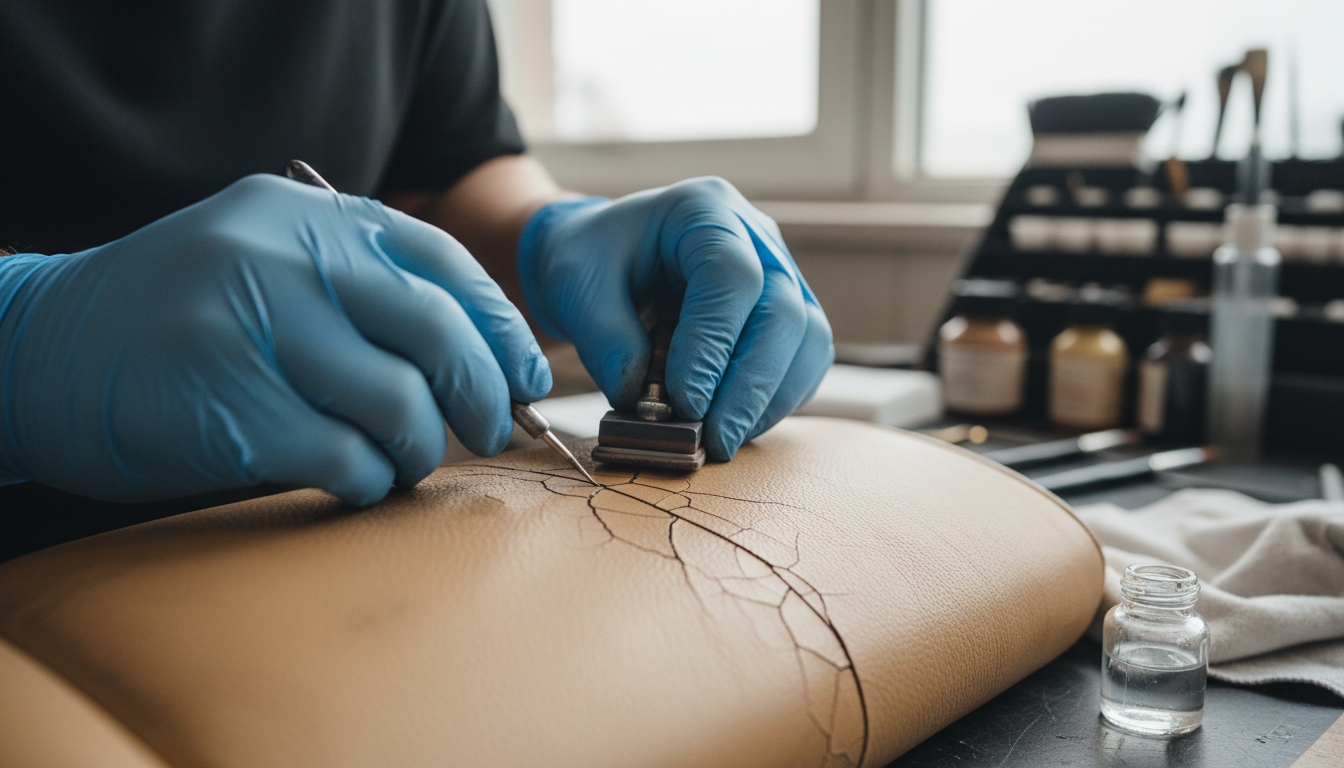
Leather interiors have long been the hallmark of luxury and comfort in automobiles. However, over time, even the finest automotive leather can develop unsightly cracks that diminish both the aesthetic appeal and resale value of your vehicle. If you’ve noticed cracks in your car’s leather, you’re likely wondering whether professional repair can restore your interior or if complete replacement is the only viable solution. This comprehensive guide will help you understand why automotive leather cracks, when restoration is possible, and how to make the most cost-effective decision for your vehicle’s interior.
Understanding Why Automotive Leather Develops Cracks
Before deciding between repair and replacement, it’s essential to understand the underlying causes of leather deterioration in car interiors. Automotive leather faces uniquely harsh conditions that accelerate aging and cracking. Unlike leather furniture in climate-controlled homes, car interiors experience dramatic temperature fluctuations, intense UV radiation through windows, and constant physical stress from entry, exit, and regular use.
The primary culprits behind cracked car leather include prolonged sun exposure, which breaks down the protective coating and natural oils in the leather; lack of proper conditioning and maintenance, allowing the material to dry out and lose flexibility; extreme temperature variations that cause expansion and contraction cycles; accumulated dirt, body oils, and perspiration that degrade the leather’s protective layer; and simple age-related deterioration as the material’s natural structure weakens over time.
Understanding these factors helps you not only address current damage but also implement preventive measures to protect repaired or new leather surfaces. The good news is that many leather cracks can be successfully repaired when addressed promptly, saving you significant money compared to complete replacement.
Assessing the Severity of Leather Damage
Not all leather cracks are created equal. The decision to repair or replace largely depends on the extent and depth of the damage. Professional assessment is always recommended, but understanding the basic categories of leather damage helps you make informed decisions.
Surface-level cracks represent the mildest form of damage. These appear as fine lines in the protective coating or finish layer without penetrating the actual leather substrate. Surface cracks typically result from dried-out protective coatings and are highly responsive to professional repair techniques. This type of damage is ideal for restoration of cracked leather and usually achieves excellent results.
Mid-depth cracks extend beyond the protective coating into the leather’s grain layer but don’t penetrate completely through the material. These cracks are more visible and may feel rough to the touch. While more challenging than surface damage, mid-depth cracks can usually be successfully repaired using specialized filling compounds, recoloring techniques, and protective sealants. The repair of cracked leather seats at this stage prevents further deterioration and extends the life of your interior significantly.
Deep structural cracks represent severe damage where the leather has cracked completely through its thickness, often accompanied by tearing, large gaps, or significant leather loss. At this advanced stage, repair becomes more complex and may only provide temporary improvement. In cases of extensive structural damage covering large areas, replacement might be the more practical long-term solution.
When Professional Repair Is the Right Choice
Professional leather crack repair offers an excellent solution for the majority of leather damage scenarios. Modern repair techniques have advanced significantly, allowing skilled technicians to restore even substantially damaged leather to near-original condition at a fraction of replacement cost.
Repair is particularly advisable in the following situations:
- Early-stage cracks that haven’t penetrated deeply into the leather structure
- Localized damage affecting specific areas like seat bolsters, armrests, or steering wheel sections
- When the overall leather quality remains good despite isolated cracking
- For vintage or classic vehicles where original materials should be preserved
- When budget constraints make replacement impractical
- If the vehicle will be sold soon and you need cosmetic improvement without major investment
Professional repair of cracked automotive leather typically involves a multi-step process. First, technicians thoroughly clean the damaged area to remove contaminants. Next, they apply specialized leather fillers to cracks, building up the surface gradually. Once the filler cures, the area is sanded smooth to match the surrounding texture. Color-matching compounds are then carefully applied to blend the repair seamlessly with the original leather tone. Finally, protective topcoats restore the leather’s finish and provide UV protection to prevent future cracking.
One significant advantage of professional repair is the ability to address cracks in leather steering wheels, dashboard trim, and other complex components that would be prohibitively expensive to replace. These specialized repairs require expert color matching and texture replication but deliver impressive results when performed by experienced technicians.
The Complete Restoration Process for Cracked Leather
Understanding the restoration process for cracked leather upholstery helps you appreciate the value and complexity of professional work. Quality leather repair isn’t simply filling cracks and applying dye—it’s a sophisticated process that addresses both visible damage and underlying structural issues.
The restoration process typically follows these essential steps:
- Comprehensive damage assessment: Technicians evaluate crack depth, leather condition, and the integrity of surrounding areas to determine the appropriate repair approach.
- Deep cleaning and preparation: All dirt, oils, old conditioners, and deteriorated finish are removed to ensure proper adhesion of repair materials.
- Crack filling and leveling: Specialized flexible fillers are applied in thin layers, allowing each to cure before adding the next, building up the surface gradually.
- Texture restoration: The repaired area’s surface texture is recreated using specialized tools and techniques to match the original leather grain.
- Color matching and application: Custom-blended pigments are applied to achieve perfect color harmony with the surrounding leather.
- Protective coating application: Multiple layers of protective sealant are applied to restore the leather’s protective barrier and ensure long-lasting results.
- Conditioning and finishing: The entire piece receives conditioning treatment to restore suppleness and prevent future cracking.
This comprehensive approach to repairing old leather in car interiors not only addresses visible cracks but also treats the underlying conditions that caused the damage initially. When performed correctly, professional restoration can extend the life of your leather interior by many years.
When Replacement Becomes Necessary
Despite the impressive capabilities of modern leather repair techniques, some situations genuinely require component replacement rather than restoration. Recognizing these scenarios helps you avoid investing in repairs that won’t deliver satisfactory long-term results.
Replacement should be seriously considered when the leather has deteriorated beyond the point where its structural integrity can be maintained. This includes situations where large sections have torn away completely, where the leather backing material has disintegrated, or where widespread cracking affects most of the component’s surface area. In these cases, repair of cracked leather may provide only temporary cosmetic improvement without addressing fundamental structural failure.
Additional factors favoring replacement include severe water damage or mold growth that has compromised the leather and underlying foam; persistent odors that have penetrated deep into the material and cannot be eliminated through cleaning; situations where the cost of extensive repair approaches or exceeds replacement cost; and when you’re planning a complete interior refresh or customization that includes color or material changes.
For newer vehicles still under warranty, check whether interior damage is covered before proceeding with either repair or replacement. Some manufacturers offer coverage for premature leather deterioration, potentially saving you significant expense.
Cost Considerations: Repair vs. Replacement
Financial considerations often drive the decision between repair and replacement. Understanding the typical cost ranges helps you make an economically sound choice.
Professional crack repair for automotive leather typically costs significantly less than replacement. Small localized repairs on steering wheels, armrests, or seat sections generally range from moderate to moderately-high pricing depending on damage extent and component complexity. More extensive repairs covering larger areas or multiple components naturally cost more but still typically remain well below replacement costs.
In contrast, complete replacement of leather components involves substantially higher expenses. Single seat replacement requires new leather covers plus professional installation labor. Full interior replacement, including all seats and trim pieces, represents a major investment that may exceed several thousand euros depending on vehicle type and leather quality selected.
Beyond immediate costs, consider the value equation. Quality repair typically lasts 3-5 years or longer with proper maintenance, making it excellent for vehicles you plan to keep medium-term or when preparing for sale. Replacement provides the longest-lasting solution and makes sense for vehicles you intend to keep long-term or for classic cars deserving investment in preservation.
Preventive Maintenance: Protecting Your Investment
Whether you choose repair or replacement, implementing proper maintenance practices prevents future cracking and extends the life of your leather interior. Prevention is always more cost-effective than correction.
Essential preventive measures include regular cleaning with pH-balanced leather cleaners to remove contaminants before they cause damage; conditioning every 3-4 months to maintain leather flexibility and prevent drying; using window shades or tinted glass to minimize UV exposure; parking in shaded areas whenever possible; and applying quality leather protectants that include UV inhibitors.
These simple maintenance steps significantly reduce the likelihood of developing new cracks and preserve the results of professional repair work. Think of leather care as an ongoing investment in your vehicle’s appearance and value rather than an optional expense.
Making the Right Decision for Your Vehicle
The decision between repairing or replacing cracked leather ultimately depends on your specific situation, including damage severity, vehicle value, budget constraints, and long-term ownership plans. For most cases of early to moderate cracking, professional repair offers outstanding value, restoring appearance and function at reasonable cost. When damage becomes extensive or structural integrity is compromised, replacement provides the most reliable long-term solution.
Consulting with experienced leather repair professionals gives you expert assessment and realistic expectations for either approach. Quality technicians will honestly advise whether repair will deliver satisfactory results or if replacement represents the better investment for your particular situation.
The key is addressing leather damage promptly before minor cracks evolve into major structural problems. Early intervention through professional leather restoration services prevents small issues from becoming expensive replacement scenarios. Your leather interior represents a significant component of your vehicle’s value and comfort—protecting it through timely repair or strategic replacement ensures you continue enjoying the luxury and refinement that quality leather provides.
If you’re dealing with cracked leather in your vehicle’s interior and need expert guidance on the best solution, don’t delay addressing the problem. Professional assessment and timely intervention can save you money while restoring your car’s interior to its original beauty. Contact our professional automotive leather repair specialists in Riga, Latvia for comprehensive evaluation and skilled restoration services that bring your vehicle’s leather interior back to life.