Why Car Leather Cracks and How to Stop the Damage Before It’s Too Late
July 2, 2026
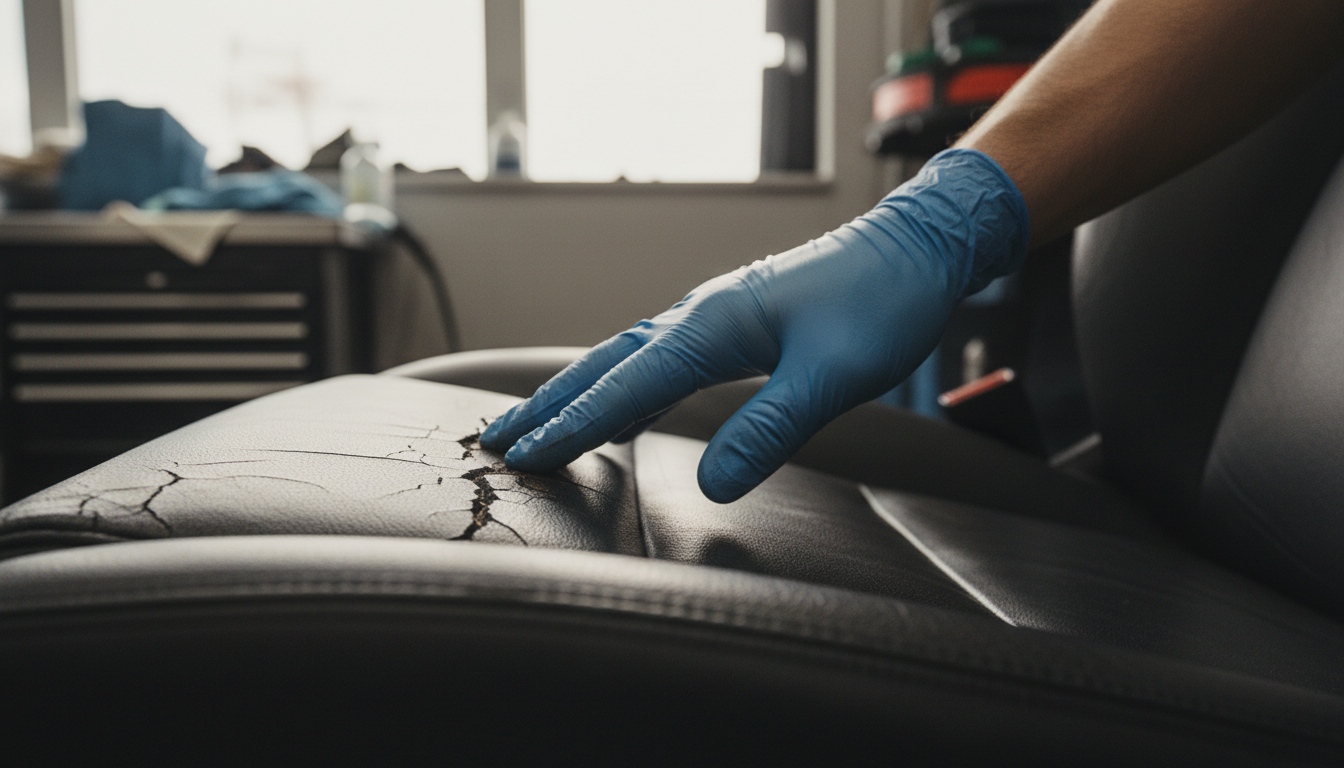
Leather car interiors represent luxury, comfort, and timeless elegance. However, even the highest quality automotive leather is vulnerable to cracking, fading, and deterioration over time. If you’ve noticed unsightly cracks appearing on your driver’s seat, scuffs on the bolsters, or dryness spreading across your leather upholstery, you’re not alone. Understanding why these problems occur and knowing how to address them quickly can save you thousands in reupholstery costs while preserving your vehicle’s value and appearance.
This comprehensive guide explores the primary causes of leather cracking in car interiors, identifies which types of damage can be repaired locally without complete reupholstery, and explains why timely intervention is critical. Whether you’re dealing with minor surface scratches or deeper structural cracks, the right restoration approach can breathe new life into your leather seats and interior panels.
The Main Causes of Leather Cracking in Car Interiors
Automotive leather faces a uniquely harsh environment compared to leather furniture in your home. The confined space of a car interior, combined with extreme temperature fluctuations and constant use, creates the perfect conditions for accelerated deterioration. Understanding these causes helps you take preventive measures and recognize when professional restoration of leather car seats becomes necessary.
UV Radiation and Sun Exposure
Ultraviolet rays are perhaps the single most destructive force acting on your car’s leather interior. When your vehicle sits in direct sunlight, UV radiation penetrates the leather surface, breaking down the natural oils and proteins that keep the material supple and flexible. Over time, this process causes the leather to become brittle, discolored, and eventually cracked. The driver’s seat and dashboard areas typically show damage first, as they receive the most direct sun exposure through the windshield.
Temperature Extremes and Climate Fluctuations
Car interiors can reach temperatures exceeding 70°C (158°F) in summer and drop below freezing in winter. These dramatic temperature swings cause leather to expand and contract repeatedly, weakening its structural integrity. In hot conditions, the leather’s natural moisture evaporates rapidly, leaving it dry and prone to cracking. Cold temperatures make leather stiff and less resilient, increasing vulnerability to stress cracks, especially in high-use areas like the driver’s seat restoration zone and seat bolsters.
Lack of Proper Conditioning and Maintenance
Leather is essentially preserved animal skin that requires regular conditioning to maintain its flexibility and appearance. Many car owners neglect this essential maintenance, allowing the leather to dry out progressively. Without periodic application of quality leather conditioners, the material loses its protective oils, becomes porous, and develops surface cracks that eventually deepen into structural damage requiring car leather seat repair.
Body Oils, Sweat, and Chemical Contamination
Every time you sit in your car, body oils, perspiration, lotions, and other substances transfer to the leather surface. These compounds can be acidic or contain chemicals that gradually break down the leather’s protective finish and the material itself. The driver’s seat bolster and backrest show this damage most prominently, as these areas experience the most frequent body contact and friction from entering and exiting the vehicle.
Friction and Mechanical Wear
The constant sliding motion of getting in and out of your car creates friction that wears down the leather surface, particularly on seat bolsters and the outer edge of the driver’s seat. This mechanical wear removes the protective top coating first, then gradually erodes the leather itself, creating thin spots that eventually crack under stress. Seat bolster repair is one of the most common requests for automotive leather restoration specialists.
Types of Leather Damage That Can Be Restored Locally
Not all leather damage requires complete seat reupholstery. Many common problems can be addressed through targeted local repairs that restore appearance and function while saving significant time and money. Understanding which damages are repairable helps you make informed decisions about leather interior repair without reupholstery.
Surface Scratches and Scuffs
Shallow scratches, scuff marks, and surface abrasions that haven’t penetrated through the leather’s protective coating can typically be repaired through cleaning, color restoration, and resealing. These scuffs on leather car seats respond well to professional treatment that blends the damaged area seamlessly with surrounding material.
Small to Medium Cracks
Cracks up to several centimeters long that haven’t caused the leather to separate completely can often be filled, reinforced from beneath, and refinished to restore both structural integrity and appearance. This type of car seat crack repair requires specialized flexible fillers that move with the leather rather than creating rigid patches that crack again.
Color Fading and Discoloration
UV damage often manifests as fading, color change, or uneven discoloration before actual cracking occurs. Professional leather car seat painting using automotive-grade leather dyes can restore the original color while providing a protective layer against future UV damage. This preventive approach can stop deterioration before cracks develop.
Worn Bolsters and High-Contact Areas
The outer edges of seats that experience heavy friction from entry and exit can be rebuilt through a combination of filling, texturing, color matching, and protective sealing. Repair of seat bolsters is a specialty service that addresses one of the most visible and common leather damage patterns in vehicles.
Minor Tears and Punctures
Small tears, cigarette burns, and puncture damage can be repaired using reinforcement patches applied from behind, followed by flexible filler, texture matching, and color restoration. While larger tears may require panel replacement, many minor damages respond excellently to skilled local repair techniques.
What Cannot Be Fixed With Local Restoration
Honesty about repair limitations is important. Some damage patterns indicate that local repair of car leather interior won’t provide satisfactory long-term results:
- Extensive cracking covering large sections of a seat panel where the leather has lost structural integrity throughout
- Severe stretching or bagging where the leather has permanently deformed and lost its original shape
- Deep mold or mildew penetration that has degraded the leather substrate beyond surface treatment
- Repeated previous poor-quality repairs that have compromised the material’s ability to accept new treatment
- Complete separation of the leather’s top grain from its backing layer across large areas
In these cases, panel replacement or complete reupholstery provides the only viable long-term solution. However, these situations are less common than repairable damage, especially when problems are addressed early.
Why Timely Repair Matters More Than You Think
Many car owners adopt a “wait and see” approach to leather damage, postponing repairs until the problem becomes severe. This delay invariably costs more in the long run and can make the difference between affordable local repair and expensive complete reupholstery.
Small Problems Become Big Problems Quickly
A small crack in leather doesn’t remain small. Each time you sit on a cracked seat, your weight stresses the damaged area, causing the crack to lengthen and deepen. What begins as a superficial line that could be repaired in an hour can evolve into a complex tear requiring extensive reconstruction. Early intervention for cracks in car seats prevents this escalation and preserves repair options.
Water and Contaminant Penetration
Once leather’s protective surface is compromised by cracks or worn areas, moisture and contaminants can penetrate into the foam padding beneath. This leads to mold growth, foam degradation, and unpleasant odors that are difficult and expensive to remediate. The leather itself absorbs moisture through damaged areas, accelerating deterioration from the inside out.
Decreased Vehicle Resale Value
Prospective buyers notice damaged leather immediately, and it significantly impacts their perception of your vehicle’s overall condition and value. Studies show that interior condition affects resale value more dramatically than many mechanical issues. Professional restoration of car seats before selling can return several times its cost in improved sale price and faster buyer interest.
Repair Costs Escalate With Damage Extent
The cost difference between repairing a small crack early and addressing extensive damage later can be tenfold or more. Local repairs typically cost a fraction of panel replacement or complete reupholstery. By addressing damage promptly, you maintain control over repair timing and costs rather than facing an urgent expensive repair when damage becomes intolerable.
Safety and Comfort Considerations
Severely damaged leather can create sharp edges that snag clothing or even cause skin irritation. Compromised seat surfaces may not provide proper support, affecting driving comfort and posture during long trips. Addressing driver’s seat restoration needs ensures your car remains comfortable and safe for daily use.
The Professional Restoration Process
Understanding what professional car leather seat restoration involves helps you appreciate the skill required and set realistic expectations for results. Quality restoration follows a systematic approach:
- Assessment and Cleaning: The technician thoroughly examines the damage, identifies the leather type and finish, and deep-cleans the area to remove contaminants that might interfere with repair materials.
- Preparation and Reinforcement: For cracks and tears, a flexible backing patch is applied from beneath to provide structural support. The damaged area is carefully prepared to accept filler materials.
- Filling and Reconstitution: Specialized flexible fillers that remain supple after curing are applied to cracks, worn areas, and damaged sections. Multiple thin layers build up the surface to match surrounding leather thickness.
- Texture Matching: The filled area is textured to replicate the original leather grain pattern, ensuring visual consistency. This step requires both technical skill and artistic sensibility.
- Color Matching and Application: Custom-mixed leather dyes are applied in layers to perfectly match the surrounding leather color. Professional painting of leather car seats accounts for how color appears under different lighting conditions.
- Sealing and Protection: A protective topcoat is applied to provide durability, UV resistance, and a finish that matches the rest of the interior, whether matte or slightly glossy.
- Conditioning: Finally, the entire area is treated with quality leather conditioner to restore suppleness and provide ongoing protection.
Preventive Care to Avoid Future Cracking
While professional restoration of leather car seats can repair existing damage beautifully, preventing problems in the first place is always preferable. Implement these protective measures to extend your leather interior’s lifespan:
Regular Conditioning: Apply a quality automotive leather conditioner every 3-4 months, or more frequently in harsh climates. This replaces natural oils and maintains flexibility that prevents cracking.
UV Protection: Use window tinting, sunshades, or park in covered areas whenever possible. Consider applying UV-protective leather treatments that create an invisible barrier against harmful radiation.
Temperature Management: Crack windows slightly when parking in hot weather to reduce interior temperature buildup. Use seat covers in extreme climates to buffer temperature effects on the leather.
Gentle Cleaning: Clean leather seats monthly with pH-balanced leather cleaners. Avoid harsh chemicals, excessive water, and abrasive materials that damage the protective finish.
Immediate Spill Response: Blot spills immediately with a clean, absorbent cloth. Many liquids become more damaging the longer they remain in contact with leather.
Choosing the Right Restoration Service
The quality of leather repair varies dramatically between providers. When seeking car leather interior repair services, look for these indicators of expertise:
- Specialists who focus specifically on automotive leather rather than general upholstery shops
- Portfolio of before-and-after photos demonstrating color-matching ability and finish quality
- Use of professional-grade automotive leather repair products rather than generic craft supplies
- Willingness to provide realistic assessments of what can and cannot be repaired
- Warranties or guarantees on repair work quality and durability
- Mobile service options that allow repair at your location for convenience
For vehicle owners in the Baltic region specifically seeking car seat restoration services in Riga or leather interior repair in Latvia, selecting providers with established reputations and verifiable customer reviews ensures you receive quality service that justifies the investment.
Conclusion: Protection Through Prevention and Prompt Action
Leather cracking in car interiors results from a combination of environmental stressors, use patterns, and maintenance neglect. UV radiation, temperature extremes, lack of conditioning, body oils, and mechanical friction all contribute to deterioration that begins subtly but accelerates over time. The good news is that many common damage types—including surface scratches, small to medium cracks, color fading, worn bolsters, and minor tears—respond excellently to professional local restoration techniques that cost far less than reupholstery.
The critical factor in successful leather repair is timing. Small problems addressed early remain small problems with straightforward solutions. Delayed repairs allow damage to spread, moisture to penetrate, and repair costs to multiply. Beyond economics, prompt attention to leather damage protects your vehicle’s resale value, maintains interior comfort and safety, and preserves the luxury appearance that makes leather interiors desirable in the first place.
Combined with regular preventive maintenance—conditioning, UV protection, temperature management, and proper cleaning—professional restoration when needed keeps your car’s leather interior looking and feeling luxurious for years beyond what neglected leather could achieve. The investment in both prevention and timely repair pays dividends in satisfaction, comfort, and retained vehicle value.
Don’t let minor leather damage evolve into major problems. If you’ve noticed cracks, scuffs, fading, or wear on your vehicle’s leather interior, professional assessment and restoration can likely address the issues completely while they’re still manageable. Taking action today protects your investment and ensures you continue enjoying the premium experience that leather interiors provide.
If your car’s leather seats are showing signs of wear, cracking, or damage, contact our professional automotive leather restoration specialists in Riga for an expert assessment and discover how local repair techniques can restore your interior’s beauty and extend its lifespan without the expense of complete reupholstery.