Scratches and Cuts on Your Car’s Leather Door Panel: Can They Be Restored Invisibly?
June 22, 2026
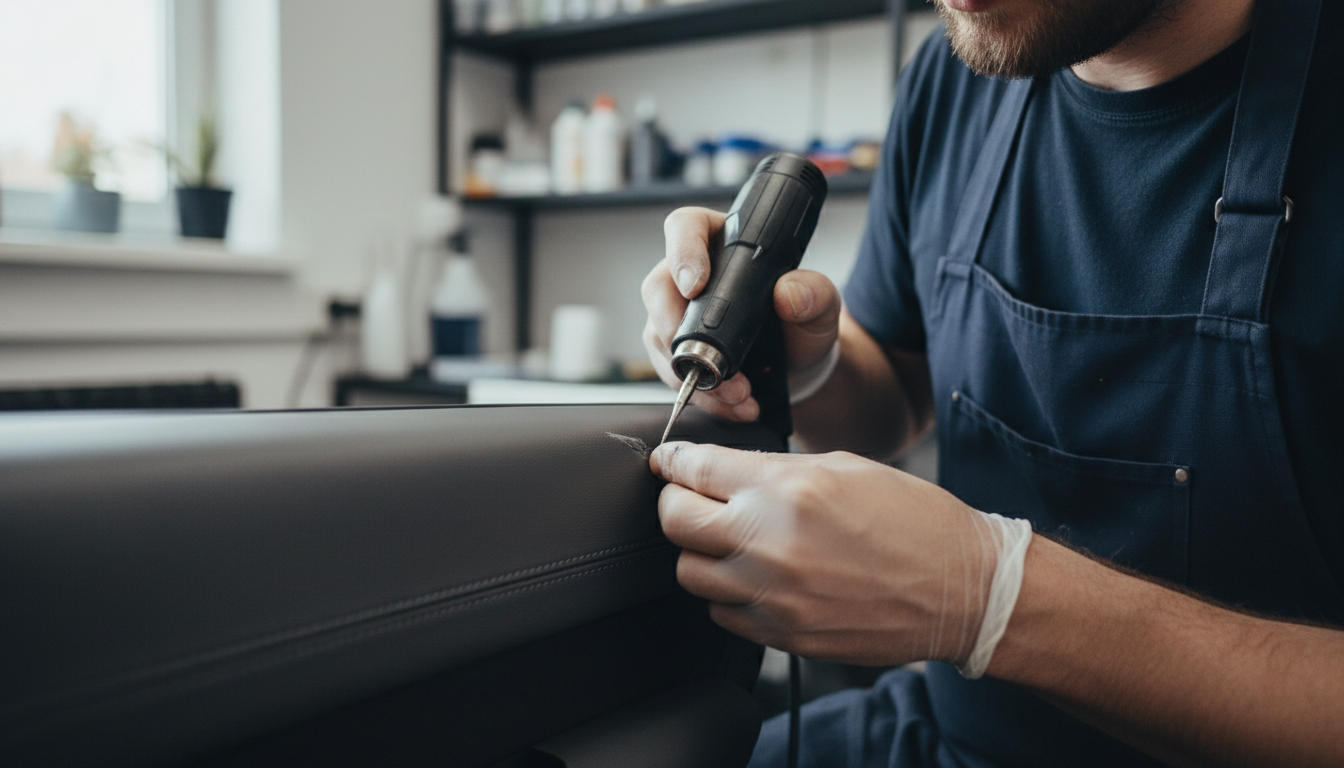
Leather interior elements in modern vehicles represent a significant investment in both comfort and aesthetics. When scratches, cuts, or abrasions appear on door panels, armrests, or dashboard leather, many car owners wonder whether these damages can truly be repaired invisibly or if replacement is the only option. The good news is that professional leather door panel repair can restore most types of damage to a near-invisible state, preserving both the appearance and value of your vehicle’s interior.
Understanding which types of damage can be effectively repaired, how skilled technicians match original leather texture and color, and what restoration processes are available will help you make informed decisions about maintaining your car’s leather surfaces. This comprehensive guide explores the repair possibilities for damaged leather door panels and reveals the professional techniques that make invisible restoration achievable.
Types of Leather Door Panel Damage That Can Be Repaired
Not all leather damage is created equal, and understanding the specific type of damage affecting your door panel is crucial for determining the appropriate repair approach. Professional technicians categorize leather damage into several distinct types, each requiring specific restoration techniques.
Surface scratches represent the most common and easily repairable form of damage. These superficial marks affect only the top protective coating and color layer without penetrating the leather structure itself. Cat scratches, key marks, and light abrasions typically fall into this category and respond exceptionally well to restoration treatments.
Deeper cuts and tears present more complex challenges but remain highly repairable in most cases. When the leather structure itself is compromised, technicians employ specialized filling compounds that replicate leather flexibility while providing structural integrity. The key to successful leather door panel restoration lies in selecting materials that match the original leather’s properties.
Wear damage on armrests and frequently touched areas often manifests as thinning, discoloration, or complete wear-through of the top leather layer. This type of damage requires comprehensive surface preparation, filling, texture recreation, and color matching to achieve invisible results.
- Minor surface scratches from fingernails, rings, or light abrasion
- Pet scratches and claw marks on door panels and armrests
- Deeper cuts from sharp objects or accidental damage
- Tears and punctures in leather upholstery
- Worn areas on armrests and door pulls
- Discoloration from UV exposure or wear patterns
- Scuff marks and transfer stains from clothing or bags
The Professional Assessment Process
Before any repair work begins, experienced technicians conduct a thorough assessment of the damaged leather to determine the optimal restoration approach. This evaluation considers multiple factors that influence both the repair technique and the expected outcome.
The leather type significantly impacts repair methodology. Factory automotive leather differs substantially from aftermarket materials, and various manufacturers employ different tanning processes, protective coatings, and finishing techniques. Understanding these variations allows technicians to select compatible repair materials and methods.
Damage depth determines whether simple surface refinishing will suffice or whether more extensive filling and reconstruction is necessary. Technicians examine the damage under proper lighting conditions to assess whether the leather’s structural layer has been compromised and what preparatory work the surface requires.
Color complexity presents one of the most challenging aspects of invisible leather repair. Original automotive leather often features subtle color variations, metallic or pearlescent effects, and protective top coats that must be precisely matched. Professional technicians maintain extensive color libraries and custom-mixing capabilities to achieve perfect matches.
How Professionals Restore Leather Texture Invisibly
Texture recreation represents perhaps the most critical element in achieving truly invisible repairs. Original automotive leather displays distinctive grain patterns—from fine, smooth textures to pronounced pebble grains—that must be precisely replicated for repairs to blend seamlessly.
The texture restoration process for car door leather begins with careful preparation of the damaged area. Technicians clean the surface thoroughly, removing all contaminants, then gently sand or abrade the area to create proper adhesion for repair materials. This preparation must extend slightly beyond the visible damage to ensure proper blending.
For deeper damage requiring structural filling, technicians apply flexible leather filler compounds in thin layers, allowing each layer to cure before adding the next. This gradual building process prevents cracking and ensures the repair maintains the flexibility of the surrounding leather. Once the damaged area has been filled to the correct level, the real artistry begins.
Grain pattern recreation utilizes specialized texturing tools, often including heat-activated grain papers that match original factory patterns. These tools, when properly applied with correct temperature and pressure, imprint the original texture into the repair material. Master technicians often maintain libraries of grain patterns from various manufacturers and models, ensuring they can match even discontinued or rare leather types.
For certain luxury vehicles or unique leather treatments, technicians may need to create custom texture tools by making impressions from undamaged areas of the same vehicle. This meticulous attention to detail separates professional restoration from amateur repair attempts.
Color Matching Technology and Techniques
Achieving invisible color matching requires both advanced technology and considerable skill. Original automotive leather undergoes factory finishing processes that create complex, multi-layered color effects difficult to replicate without proper expertise and materials.
Professional automotive leather restoration specialists employ spectrophotometric analysis tools that measure the exact color values of the original leather under standardized lighting conditions. These measurements account for undertones, opacity, and surface sheen that the human eye might miss but that become apparent once repairs are complete.
Custom color mixing follows the analysis phase, with technicians blending specialized leather dyes and pigments to match the spectrophotometric data. This process often requires multiple test applications on sample materials before applying color to the actual repair area.
- Clean and assess the undamaged reference area for color sampling
- Use spectrophotometric tools to measure exact color values and undertones
- Mix custom color formulations using professional automotive leather dyes
- Test the color match on sample materials under various lighting conditions
- Apply color in thin, controlled layers to the prepared repair area
- Build color depth gradually, allowing proper drying between coats
- Apply appropriate finish coats to match original sheen level
- Seal the repair with protective topcoats for durability and UV resistance
The layering technique proves essential for matching colors perfectly. Rather than applying a single heavy coat, technicians build color gradually through multiple thin applications. This approach allows for fine-tuning the color match and creates a more natural transition between the repair and original leather.
Armrest and High-Wear Area Restoration
Armrests and door pulls represent the most frequently contacted surfaces in vehicle interiors, making them particularly susceptible to wear damage. Car armrest restoration requires specialized approaches due to the unique stresses these areas endure.
Wear patterns on armrests typically display as shiny, darkened areas where the original finish has worn away, sometimes progressing to complete surface breakdown with exposed underlayers. Restoring these areas requires complete surface refinishing rather than spot repair to ensure even appearance and durability.
The restoration process for high-wear areas begins with thorough cleaning using pH-balanced leather cleaners that remove accumulated body oils, lotions, and contaminants without damaging the leather. Deep cleaning often reveals the true extent of damage and allows repair materials to bond properly.
After cleaning, technicians lightly abrade the entire worn area to create a uniform surface profile. This preparation step ensures that new color and protective coatings adhere evenly without creating visible boundaries between treated and untreated areas.
Flexible sealers and base coats are then applied to stabilize the leather surface and provide a foundation for color layers. These products must maintain leather flexibility while providing sufficient durability to withstand continued use. Professional armrest leather repair uses automotive-grade products specifically formulated for high-wear applications.
Dashboard and Panel Leather Restoration
Dashboard leather and decorative panel restoration presents unique challenges due to exposure to extreme temperature variations and intense UV radiation. Dashboard leather restoration must account for these environmental stresses while matching the often complex textures and finishes used in instrument panel applications.
Dashboard leather typically features different characteristics than seating or door panel leather, with manufacturers often selecting materials specifically for heat and UV resistance. Repair materials must match these performance characteristics while replicating appearance.
Heat damage often manifests as stiffening, cracking, or color fading on dashboard surfaces. Restoration requires reconditioning treatments that restore flexibility before structural repairs and color restoration can proceed. Specialized leather conditioners formulated for heat-damaged automotive leather help reverse deterioration and prepare surfaces for further treatment.
UV-related color fading requires careful assessment to determine whether localized color restoration will blend successfully or whether the entire panel requires refinishing for uniform appearance. Professional technicians consider factors such as viewing angles, lighting conditions in the vehicle, and the extent of color shift when recommending repair approaches.
Local Leather Repair Services in Riga and Latvia
For vehicle owners in Latvia seeking professional leather restoration services, selecting qualified technicians with proper training, experience, and materials makes the difference between disappointing results and invisible repairs. Car door panel repair in Riga and throughout Latvia has evolved significantly, with specialized workshops now offering services comparable to factory-level quality.
When evaluating automotive interior restoration services in Latvia, consider several key factors. Look for technicians who demonstrate their work through before-and-after portfolios, particularly showing repairs on vehicles similar to yours. Specialists who invest in ongoing training and professional-grade materials typically deliver superior results.
The best restoration services offer comprehensive consultations, clearly explaining what repairs are possible, setting realistic expectations for outcomes, and providing transparent pricing. Established workshops often guarantee their work, demonstrating confidence in their repair quality and longevity.
Mobile repair services have become increasingly popular, offering the convenience of on-site repairs for certain damage types. However, complex restoration work requiring controlled environment conditions, specialized equipment, and extended curing times may still necessitate workshop-based service.
Cost Considerations and Value Preservation
Understanding the cost implications of leather repair versus replacement helps vehicle owners make economically sound decisions. Professional leather door panel restoration typically costs a fraction of replacement parts and installation, while delivering results that maintain vehicle value.
Replacement door panels for luxury vehicles can cost several hundred to several thousand euros depending on the manufacturer, model, and whether genuine factory parts are required. Installation adds additional labor costs, and new panels may not perfectly match aged leather elsewhere in the interior.
Professional repair services for minor to moderate damage typically range from significantly less than replacement costs, making restoration the economically rational choice in most situations. Even extensive damage requiring complete panel refinishing generally costs less than half the replacement alternative.
Beyond immediate cost savings, professional leather repair preserves vehicle value more effectively than replacement with aftermarket parts. Original factory leather, even when professionally repaired, maintains authenticity that discerning buyers value. Properly documented professional restoration can actually demonstrate conscientious ownership when selling or trading vehicles.
Conclusion: Invisible Restoration Is Achievable with Professional Expertise
The question of whether scratches and cuts on leather car door panels can be restored invisibly has a definitive answer: yes, when performed by skilled professionals using appropriate techniques and materials. The key lies in understanding damage types, selecting qualified restoration specialists, and having realistic expectations based on damage severity.
Modern leather repair techniques for automotive interiors have advanced to the point where most damage types can be restored to near-invisible condition. Surface scratches, moderate cuts, wear damage, and even significant tears can be repaired using specialized filling compounds, precise texture recreation, and sophisticated color matching processes that blend repairs seamlessly with original leather.
The investment in professional leather restoration protects your vehicle’s value, maintains interior aesthetics, and costs substantially less than replacement alternatives. Whether dealing with minor scratches on door panels, worn armrests, or damaged dashboard leather, qualified technicians possess the skills and materials to restore your vehicle’s interior to its original beauty.
For vehicle owners who value quality craftsmanship and want to preserve their automotive investment, professional leather restoration represents the optimal solution. The combination of technical expertise, specialized materials, and artistic skill transforms damaged leather surfaces back to factory-fresh condition, often making it impossible to detect where repairs were performed.
If your vehicle’s leather door panels, armrests, or interior surfaces have suffered damage, don’t assume replacement is your only option. Professional assessment can reveal repair possibilities you might not have considered, potentially saving you significant expense while delivering beautiful, long-lasting results that maintain your vehicle’s original character and value.
Restore your car’s leather interior to pristine condition with expert craftsmanship. Contact professional specialists who understand the intricacies of automotive leather repair and can deliver invisible restoration results that exceed your expectations. Visit LederPro for comprehensive automotive leather restoration services in Riga and throughout Latvia, where experienced technicians combine advanced techniques with quality materials to bring your vehicle’s interior back to showroom condition.