Scuffs on Leather Car Seats: Why They Appear and How to Remove Them
June 22, 2026
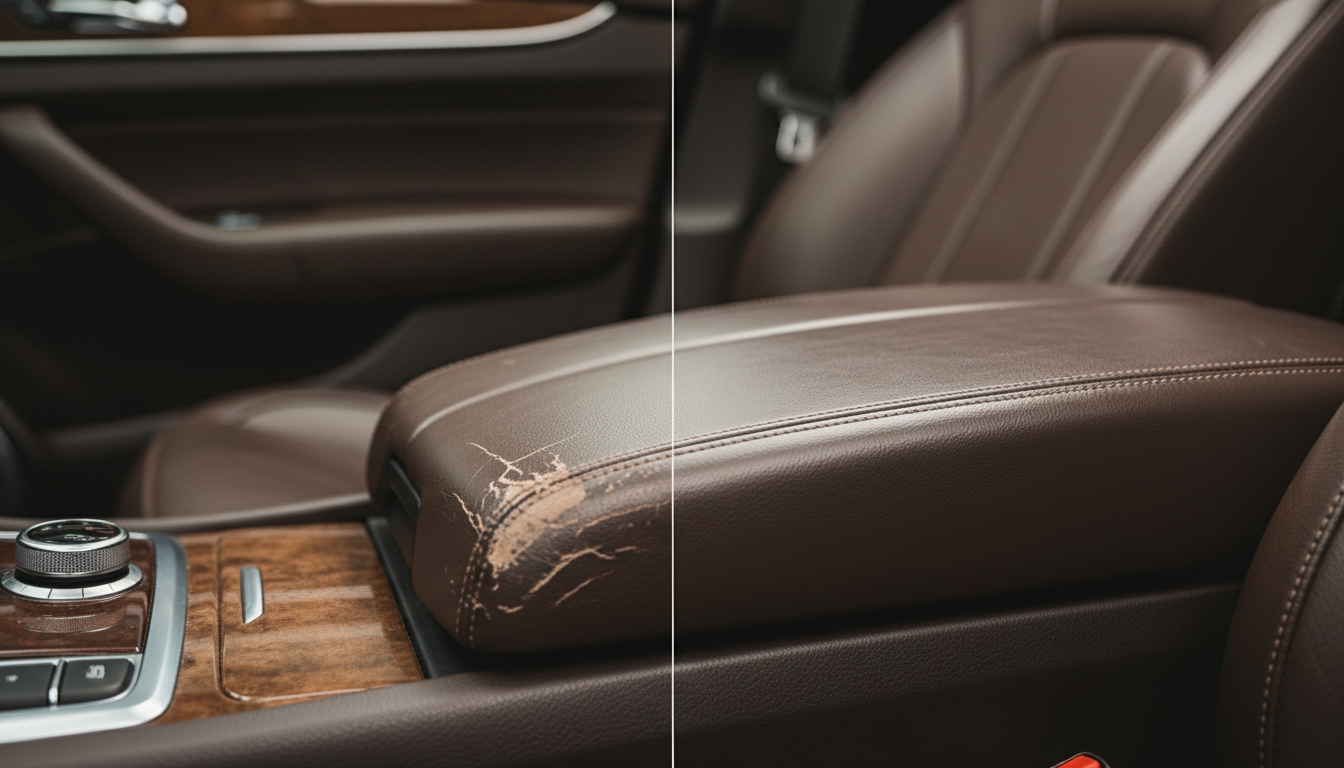
Leather car seats are a symbol of luxury, comfort, and sophistication. However, even the highest-quality leather upholstery is not immune to wear and tear. Over time, you may notice unsightly scuffs, discoloration, and even cracks appearing on your vehicle’s seats—particularly on the driver’s side. These imperfections not only diminish the aesthetic appeal of your car’s interior but can also significantly reduce its resale value. Understanding why these issues occur and knowing how to address them is essential for any car owner who values their investment.
In this comprehensive guide, we will explore the typical causes of leather seat wear, identify the early warning signs of damage, and walk you through the professional restoration process. Whether you’re dealing with minor scuffs or more severe deterioration, this article will equip you with the knowledge to make informed decisions about leather seat restoration and help you maintain your car’s interior in pristine condition.
Why Do Scuffs and Wear Appear on Leather Car Seats?
Leather is a natural material that, despite its durability, is susceptible to various forms of damage. The driver’s seat, in particular, experiences the most significant wear due to constant use. Understanding the root causes of leather seat deterioration can help you take preventive measures and address issues before they become severe.
Friction and repetitive contact are the primary culprits behind scuffs on leather car seats. Every time you enter or exit your vehicle, your body rubs against the seat bolsters—the raised sides designed to provide lateral support. This continuous friction gradually wears away the protective topcoat and color layer of the leather, leading to visible scuffs and discoloration. The driver’s seat bolster is especially vulnerable because it bears the brunt of this movement several times a day.
Environmental factors also play a significant role in leather degradation. Exposure to UV radiation from sunlight can cause leather to dry out, fade, and become brittle over time. When leather loses its natural oils and moisture, it becomes more prone to cracking and peeling. Temperature fluctuations, particularly in climates with hot summers and cold winters, can accelerate this drying process, causing the leather to contract and expand repeatedly.
The quality of the leather and its protective coating matters considerably. Factory-applied finishes vary in durability, and some vehicles come with leather that is more resistant to wear than others. Lower-quality leather or improperly maintained upholstery will show signs of damage much sooner than well-cared-for, premium materials.
Common Areas Where Damage Occurs
While any part of a leather seat can potentially suffer damage, certain areas are far more susceptible to wear due to their location and function. Recognizing these vulnerable zones can help you monitor your seats more carefully and take action at the first sign of trouble.
- Driver’s seat bolster: This is by far the most commonly damaged area. The side bolster on the driver’s seat takes the most abuse as drivers slide in and out of the vehicle multiple times daily.
- Seat cushion surface: The main seating area experiences constant pressure and friction from body weight, leading to compression, smoothing, and eventual cracking of the leather surface.
- Seat back bolsters: Similar to the seat cushion bolsters, the sides of the backrest can show wear from body movement and contact, especially during entry and exit.
- Steering wheel: Though not a seat, the steering wheel is another leather component that frequently shows wear, with the coating rubbing off where hands grip most often.
- Door armrests and trim: Areas where arms and hands make frequent contact can develop scuffs and discoloration over time.
Early Warning Signs of Leather Seat Damage
Catching leather damage in its early stages is crucial for successful and cost-effective restoration. Minor issues can often be addressed with relatively simple treatments, while severe damage may require extensive repair or even reupholstery. Being vigilant about these early warning signs can save you significant time and money.
One of the first indicators of leather wear is a subtle change in texture. The affected area may feel smoother or slightly rougher than the surrounding leather, depending on the type of damage occurring. You might also notice a slight color change—the leather may appear lighter, darker, or take on a grayish tone as the protective color coating begins to wear away.
Surface scuffs and light scratches are often the initial visible signs of damage. These may appear as faint lines or discolored patches, particularly on the seat bolsters. At this stage, the damage is typically superficial and hasn’t penetrated through all layers of the leather finish.
As wear progresses, you may observe more pronounced discoloration where the original color has been rubbed away, revealing lighter leather underneath. This is especially noticeable on darker-colored leather seats. The leather may also begin to feel drier and less supple, indicating a loss of natural oils and moisture.
If left unaddressed, these early signs will evolve into more serious problems: visible cracks, peeling of the top coating, and eventually tears in the leather itself. At this advanced stage, repair of automotive leather seats becomes more complex and expensive.
The Professional Leather Seat Restoration Process
Professional leather seat restoration is a multi-step process that requires skill, specialized products, and attention to detail. While some minor touch-ups can be attempted at home, significant damage is best left to experienced technicians who can ensure a seamless, long-lasting repair. Understanding the restoration process helps you appreciate the value of professional services and set realistic expectations for results.
The restoration process typically follows these essential stages:
- Assessment and cleaning: The technician begins with a thorough examination of the damage to determine the appropriate repair strategy. The affected area is then meticulously cleaned to remove dirt, oils, and any previous treatments that might interfere with the restoration process.
- Surface preparation: This critical step involves carefully removing damaged or loose coating material and smoothing the leather surface. The technician may use specialized abrasives to create an even surface that will properly accept new coatings.
- Leather filler application: If there are cracks, deep scratches, or other surface irregularities, a flexible leather filler compound is applied to level the surface. This material is carefully shaped and textured to match the surrounding leather grain.
- Color matching and base coating: The technician precisely matches the leather’s original color and applies a base coat to restore the uniform appearance. This step may involve multiple thin layers to achieve the perfect color match.
- Top coating and sealing: A protective topcoat is applied to seal the repair, provide durability, and match the original finish—whether matte, semi-gloss, or glossy. This coating protects the restored area from future wear and UV damage.
- Finishing and quality control: The final step involves blending the repaired area with the surrounding leather, ensuring a seamless transition, and verifying that the texture, color, and finish match perfectly.
Professional restoration of car leather seats can dramatically transform worn upholstery, making damage virtually invisible when performed by skilled technicians. The process not only improves appearance but also extends the life of your leather seats, protecting your investment for years to come.
Leather Seat Repair Without Reupholstery
One of the most significant advantages of modern leather restoration techniques is the ability to repair damaged seats without the need for complete reupholstery. This approach, often called leather cabin repair without reupholstery, offers numerous benefits over traditional replacement methods.
Traditional reupholstery involves removing the old leather entirely and installing new material—a process that is time-consuming, expensive, and often unnecessary for localized damage. In contrast, professional restoration focuses on repairing only the damaged areas, leaving the rest of the original leather intact. This targeted approach is typically much more affordable and can be completed in a fraction of the time required for full reupholstery.
Modern restoration techniques have advanced to the point where repairs are nearly undetectable. Skilled technicians can match colors with remarkable precision, replicate original grain patterns, and apply coatings that match the factory finish. The result is a repair that blends seamlessly with the surrounding leather, maintaining the original character of your vehicle’s interior.
Another advantage of repair without reupholstery is that it preserves the original leather, which is often of higher quality than aftermarket replacement materials. Factory leather is specifically selected and treated for automotive use, offering properties that may be difficult to replicate with aftermarket products.
This restoration approach is ideal for addressing common issues such as bolster wear, minor cracks, color fading, and surface scuffs—essentially any damage that hasn’t completely compromised the leather’s structural integrity. For most drivers experiencing typical wear patterns, professional restoration without reupholstery provides an excellent solution that delivers outstanding results at a reasonable cost.
Leather Seat Painting and Color Restoration
Color fading and discoloration are among the most common issues affecting leather car seats. Fortunately, leather seat painting is a highly effective solution that can restore your seats to their original appearance or even change their color entirely if desired.
Professional leather painting involves much more than simply applying color to the surface. It requires thorough preparation, precise color matching, and the application of specialized automotive leather coatings designed to flex with the material and withstand the rigors of daily use. These professional-grade products differ significantly from consumer-level leather paints, offering superior durability, flexibility, and resistance to wear.
The color restoration process begins with accurate color matching. Technicians use color-matching systems and their experience to create a formula that precisely replicates your leather’s original shade. This is particularly important when repairing only a section of a seat, as any color discrepancy will be immediately noticeable.
Quality leather coatings are applied in multiple thin layers rather than a single thick coat. This technique ensures even coverage, proper adhesion, and a natural appearance that matches the original finish. Each layer is allowed to dry properly before the next is applied, and the final protective topcoat seals everything and provides long-lasting protection against future wear.
When performed by experienced professionals, painting of leather seats can completely revitalize faded, discolored, or unevenly worn upholstery, giving your car’s interior a fresh, uniform appearance that looks factory-new.
Professional Leather Restoration Services in Riga, Latvia
For vehicle owners in Latvia seeking expert leather restoration services, professional solutions are available that combine European craftsmanship with modern restoration techniques. Specialists in automotive leather seat restoration in Riga offer comprehensive services designed to address all types of leather damage, from minor scuffs to extensive deterioration.
Choosing a local professional service offers several advantages. You can personally inspect their previous work, discuss your specific needs face-to-face, and have convenient access to follow-up services if needed. Local specialists understand the particular challenges that the Baltic climate presents to leather upholstery and can recommend appropriate treatments and maintenance strategies.
Professional services typically include a thorough assessment of your leather’s condition, honest recommendations about the most effective repair approach, and transparent pricing. Reputable providers stand behind their work with guarantees and use only high-quality materials designed specifically for automotive applications.
Whether you’re dealing with wear on a daily driver or preparing a vehicle for sale, professional leather cabin repair in Latvia can significantly enhance your car’s appearance and value. The investment in quality restoration pays dividends in improved aesthetics, extended leather life, and increased resale value.
Maintaining Your Leather Seats After Restoration
Once your leather seats have been professionally restored, proper maintenance is essential to preserve the results and prevent future damage. With the right care routine, your restored leather can maintain its like-new appearance for many years.
Regular cleaning is the foundation of leather maintenance. Use a soft, damp cloth to wipe down your seats weekly, removing dust and surface dirt before it can work its way into the leather’s grain. For deeper cleaning, use a pH-balanced leather cleaner specifically formulated for automotive upholstery, avoiding harsh household cleaners that can damage the protective coating.
Conditioning your leather is equally important. Leather conditioners replenish natural oils, keeping the material supple and resistant to cracking. Apply a quality conditioner every three to six months, or more frequently if your car is exposed to intense sunlight or extreme temperatures.
Protecting your leather from UV damage is crucial. Whenever possible, park in shaded areas or use a windshield sunshade to reduce direct sunlight exposure. UV protectant products can also be applied to create an additional barrier against sun damage.
Be mindful of how you enter and exit your vehicle. While it’s not always practical to completely avoid contact with the bolsters, being conscious of minimizing friction can reduce wear. Consider placing a protective cover on the driver’s seat if your vehicle experiences extremely heavy use.
Conclusion: Protecting Your Investment with Professional Leather Care
Scuffs, cracks, and discoloration on leather car seats are common problems that affect virtually all vehicles over time. However, these issues don’t have to be permanent or require expensive reupholstery. Understanding the causes of leather wear, recognizing early warning signs, and taking prompt action can help you maintain your vehicle’s interior in excellent condition.
Professional leather seat restoration offers an effective, affordable solution that can make damaged upholstery look virtually new again. Through careful preparation, expert color matching, and the application of specialized coatings, skilled technicians can repair damage without the need for complete reupholstery, saving you time and money while delivering outstanding results.
Whether you’re addressing minor scuffs on the driver’s seat bolster or more extensive damage throughout your vehicle’s interior, professional restoration services provide the expertise and materials necessary for a repair that lasts. Combined with proper maintenance, a professional restoration can extend the life of your leather seats indefinitely, preserving both the beauty and value of your vehicle.
If you’re experiencing leather wear in your vehicle and want to restore your seats to their original condition, don’t wait until minor damage becomes a major problem. Professional intervention at the early stages of wear yields the best results and prevents more costly repairs down the road.
For expert automotive leather restoration services in Latvia, consider reaching out to specialists who can assess your specific situation and provide tailored solutions. Discover professional leather seat repair and restoration services in Riga that combine traditional craftsmanship with modern techniques to deliver exceptional results that protect your investment and enhance your driving experience.